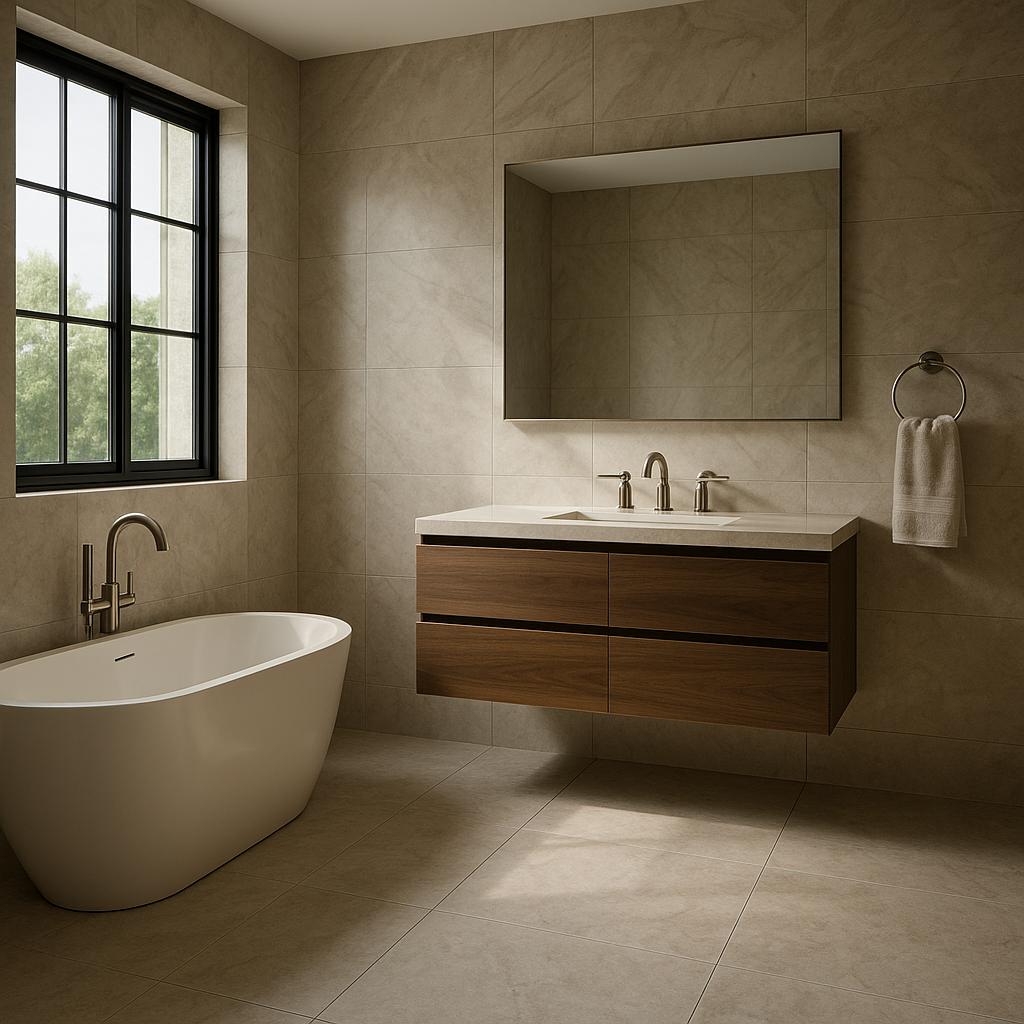

Introduction to Tile Layout Planning
Planning your tile layout is a crucial step in any tiling project, whether you’re a homeowner or a contractor. A well-thought-out layout not only enhances the aesthetic appeal of a space but also ensures efficient installation. This guide will walk you through the essential steps in tile layout planning, including buying guides, installation tips, and maintenance advice.
Buying Guide: Choosing the Right Tile
Before you start laying tiles, it’s important to select the right type of tile for your project. Here are some factors to consider:
- Material: Common materials include ceramic, porcelain, natural stone, and glass. Each has its own benefits and drawbacks.
- Size: Tiles come in various sizes. Larger tiles can create a more spacious feel, while smaller tiles can add intricate designs.
- Finish: Consider the finish of the tile, such as matte or glossy. Glossy tiles can reflect light, while matte tiles offer a more subdued look.
- Color and Pattern: Choose colors and patterns that complement your existing decor. Neutral tones are versatile, while bold patterns can make a statement.
- Durability: Assess the durability of the tile based on where it will be installed. For high-traffic areas, choose more durable options.
Installation Tips for a Flawless Finish
Once you’ve selected your tiles, it’s time to plan the installation. Here are some tips to ensure a successful tile layout:
- Measure Accurately: Measure the area where you will be tiling. This will help you determine how many tiles you need and where to start your layout.
- Dry Layout: Before applying adhesive, lay out the tiles on the floor to visualize the final look. This helps in identifying any adjustments needed.
- Start from the Center: For a symmetrical look, start tiling from the center of the room and work your way out. This helps in maintaining balance.
- Use Spacers: Tile spacers ensure even grout lines and help maintain consistent spacing between tiles.
- Cut Tiles Carefully: Use a tile cutter for precise cuts, especially around edges and corners. Measure twice before cutting.
Maintenance Tips for Longevity
Proper maintenance is key to keeping your tiles looking great for years. Here are some maintenance tips:
- Regular Cleaning: Sweep or vacuum regularly to remove dirt and debris. Use a damp mop with a mild cleaner for deeper cleaning.
- Seal Grout Lines: Grout can be porous. Seal it to prevent stains and moisture from penetrating.
- Avoid Harsh Chemicals: Use pH-neutral cleaners to avoid damaging the tile surface.
- Address Cracks Promptly: If you notice any cracks or chips, repair them immediately to prevent further damage.
- Regular Inspections: Periodically check for loose tiles or grout and address issues as they arise.
Frequently Asked Questions
1. How do I choose the right tile for my project?
Consider factors like material, size, finish, color, and durability based on the area of installation.
2. What tools do I need for tile installation?
You’ll need a tile cutter, trowel, spacers, level, and a grout float among other tools.
3. Can I install tile over existing flooring?
Yes, but ensure the existing floor is clean, level, and in good condition before proceeding.
4. How long does tile installation take?
The time varies based on the size of the area and complexity of the layout, but a small room can take a day or two.
5. How often should I clean my tiles?
Regular cleaning is recommended, ideally weekly, with deeper cleaning monthly or as needed.
Conclusion
Planning your tile layout is essential for achieving a beautiful and functional space. By following this guide, you can make informed decisions on buying, installing, and maintaining your tiles. Explore our wide range of tile and stone options to find the perfect fit for your next project!