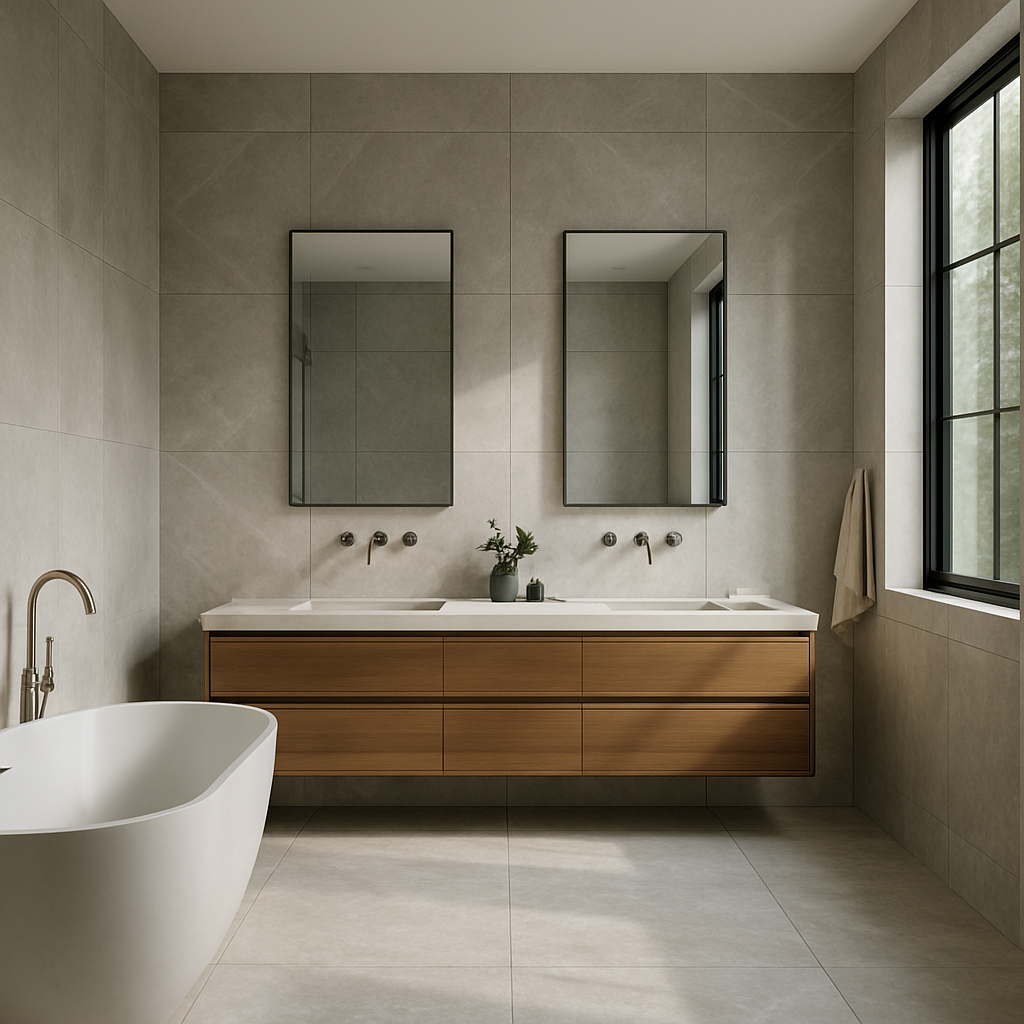

Understanding Bathroom Tile Longevity
When it comes to bathroom renovations, tile is a popular choice due to its durability and aesthetic appeal. However, not all tiles are created equal, and their longevity can vary significantly based on several factors. In this guide, we will explore how to choose the right tile, installation tips, and maintenance practices to ensure your bathroom tiles last for years.
Buying Guide: Choosing the Right Bathroom Tile
Choosing the right tile is crucial for ensuring longevity. Here are some key factors to consider:
- Material: Ceramic and porcelain tiles are excellent choices for bathrooms due to their water resistance and durability. Natural stone tiles like granite and marble offer beauty but may require more maintenance.
- Size: Larger tiles can reduce grout lines, making them easier to clean and maintain. However, smaller tiles can provide better traction, which is essential in wet areas.
- Finish: A matte finish can help hide water spots and stains, while a glossy finish may enhance the tile’s appearance but can be slippery when wet.
- PEI Rating: Look for tiles with a Porcelain Enamel Institute (PEI) rating suitable for bathroom use. A rating of 3 or higher is recommended for residential bathrooms.
Installation Tips for Long-Lasting Tiles
Proper installation is key to maximizing the lifespan of your bathroom tiles. Here are some essential tips:
- Surface Preparation: Ensure the surface is clean, dry, and level. Any imperfections can lead to cracking or uneven tiles.
- Use Quality Adhesives: Select a high-quality thin-set mortar designed for the specific type of tile you are using. This will enhance adhesion and prevent tiles from loosening over time.
- Grout Selection: Choose a grout that is resistant to moisture and stains. Epoxy grout is a great option for high-moisture areas.
- Allow for Expansion: Leave a small gap around the edges of the tiles to allow for expansion and contraction. This can prevent cracking as temperatures fluctuate.
Maintenance Tips for Longevity
Regular maintenance is essential for keeping your bathroom tiles looking new. Here are some tips:
- Regular Cleaning: Use a pH-neutral cleaner to avoid damaging the tile surface. Avoid harsh chemicals that can strip away the finish.
- Seal Grout Lines: Apply a grout sealer every 6-12 months to protect against moisture and stains. This will help maintain the integrity of the grout.
- Address Issues Promptly: If you notice cracks, chips, or loose tiles, address them immediately to prevent further damage.
- Control Humidity: Use exhaust fans and dehumidifiers to reduce moisture levels in the bathroom, which can help prevent mold and mildew.
Frequently Asked Questions
1. How long do bathroom tiles typically last?
With proper installation and maintenance, bathroom tiles can last 20 years or more.
2. Can I install tiles over existing tiles?
Yes, but ensure the existing tiles are secure and the surface is level to avoid future issues.
3. What is the best type of grout for bathroom tiles?
Epoxy grout is recommended for its durability and resistance to moisture and stains.
4. How often should I clean my bathroom tiles?
Regular cleaning every week is ideal, with deep cleaning every few months.
5. Are natural stone tiles more durable than ceramic tiles?
Natural stone tiles can be beautiful but often require more maintenance than ceramic tiles, which are generally more durable.
Conclusion
Investing in quality bathroom tiles and following proper installation and maintenance practices can significantly enhance their longevity. Whether you’re a homeowner or a contractor, understanding these factors will help you make informed decisions. Explore our wide range of tile and stone options to find the perfect fit for your bathroom renovation.