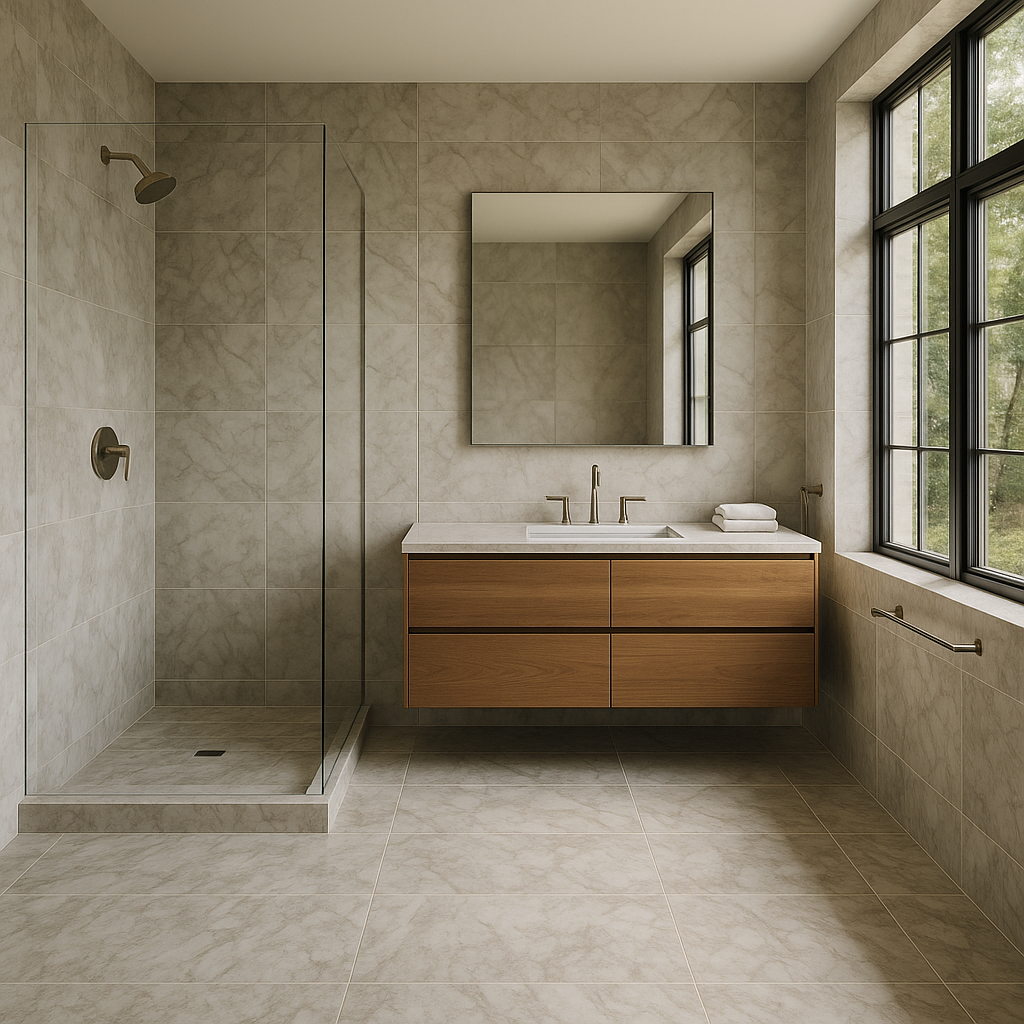

Why Choose Marble for Bathroom Floors?
Marble is a timeless choice for bathroom flooring, known for its elegance and durability. It adds a luxurious touch to any space and is available in various colors and patterns. However, not all marble is created equal, especially for humid environments like bathrooms. Here’s what you need to know about selecting the best marble for your bathroom floors.
Buying Guide: Selecting the Right Marble
When choosing marble for your bathroom floor, consider the following factors:
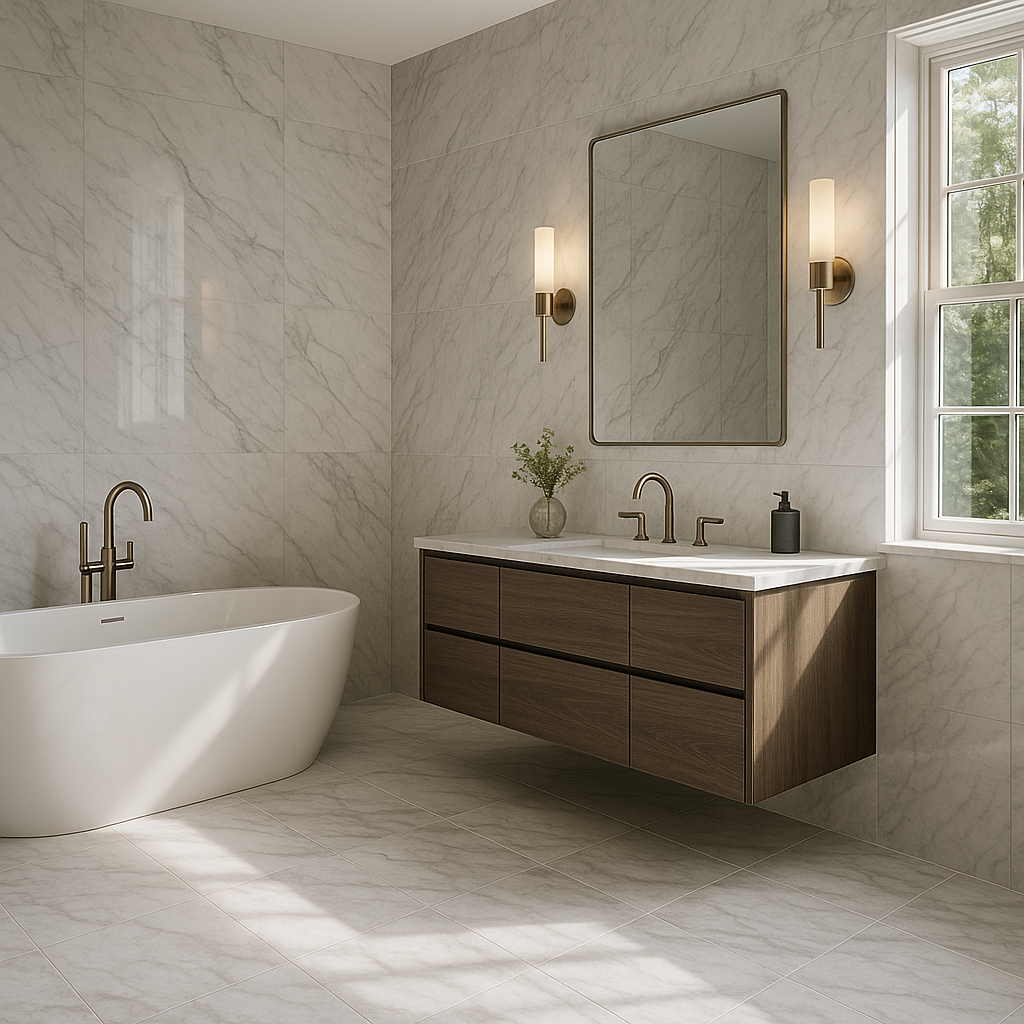
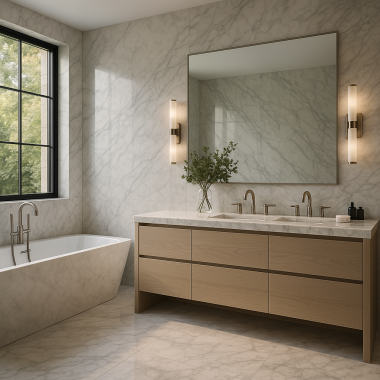
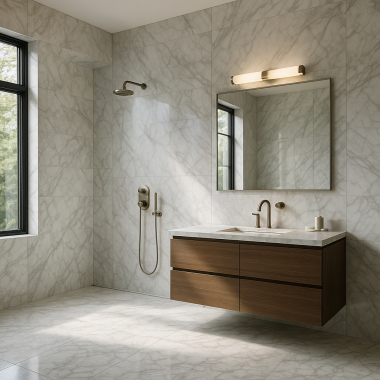
- Type of Marble: Some popular types include Carrara, Calacatta, and Crema Marfil. Carrara is known for its gray veining, while Calacatta features bolder, more dramatic patterns.
- Finish: Polished marble offers a shiny, reflective surface but can be slippery when wet. Honed marble has a matte finish, providing better traction.
- Thickness: Thicker tiles (at least 3/8 inch) are more durable and less prone to cracking.
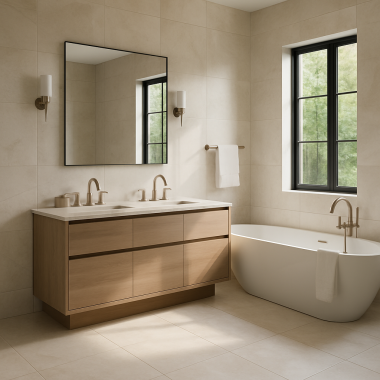
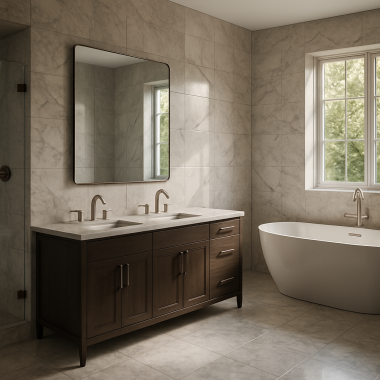
- Color and Pattern: Choose colors that complement your bathroom’s design. Light colors can make a small space feel larger, while darker shades add warmth.
- Water Absorption Rate: Look for marble with a low water absorption rate to prevent staining and damage from moisture.
Installation Tips for Marble Floors
Proper installation is crucial for ensuring the longevity of your marble floor. Here are some tips:
- Prepare the Subfloor: Ensure the subfloor is clean, dry, and level. Any imperfections can lead to cracks in the marble.
- Use the Right Adhesive: A thin-set mortar specifically designed for natural stone should be used to secure the tiles.
- Leave Expansion Joints: Allow for expansion joints around the perimeter of the room to accommodate temperature changes.
- Consider Professional Installation: If you’re not experienced, hiring a professional can ensure that the installation is done correctly.
Maintenance Tips for Marble Floors
Maintaining your marble floor is essential to keep it looking pristine. Here are some maintenance tips:
- Regular Cleaning: Sweep or vacuum regularly to remove dirt and debris. Use a damp mop with a pH-neutral cleaner specifically designed for marble.
- Seal the Marble: Apply a high-quality stone sealer every 6-12 months to protect against stains and moisture.
- Address Spills Immediately: Wipe up spills promptly to prevent staining, especially from acidic substances like vinegar or citrus.
- Avoid Harsh Chemicals: Do not use abrasive cleaners or acidic substances, as they can damage the marble surface.
FAQs About Marble Bathroom Floors
Here are some frequently asked questions regarding marble flooring in bathrooms:
- Is marble suitable for bathroom floors? Yes, marble is suitable but requires proper sealing and maintenance due to its porous nature.
- How slippery is marble when wet? Polished marble can be slippery; consider honed finishes for better traction.
- Can I install marble myself? While DIY is possible, professional installation is recommended for best results.
- How often should I seal my marble floor? Seal every 6-12 months, depending on usage and exposure to moisture.
- What is the best way to clean marble floors? Use a damp mop with a pH-neutral cleaner designed for marble.
Conclusion
Choosing the best marble for your bathroom floor can significantly enhance the aesthetic and value of your home. With the right selection, installation, and maintenance, your marble floor can remain beautiful for years to come. Explore our extensive range of tile and stone options to find the perfect fit for your bathroom.