
Introduction
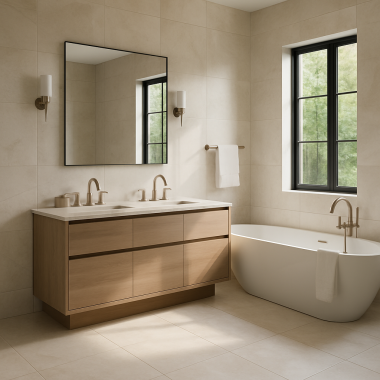
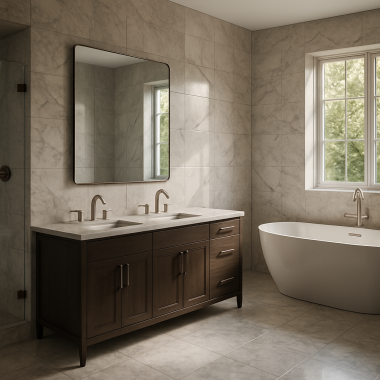
Choosing the right flooring for your home can be a daunting task, especially when considering options like porcelain and marble. Both materials offer unique benefits and aesthetics, making them popular choices among homeowners and contractors alike. In this guide, we’ll explore the differences between porcelain and marble flooring, helping you make an informed decision.
Porcelain Flooring
Porcelain tiles are made from a denser clay that is fired at higher temperatures, resulting in a more durable and water-resistant product. They come in a variety of styles, colors, and finishes, making them versatile for any design scheme.
Benefits of Porcelain Flooring
- Durability: Porcelain is highly resistant to scratches, stains, and moisture.
- Low Maintenance: Easy to clean and maintain, requiring only regular sweeping and mopping.
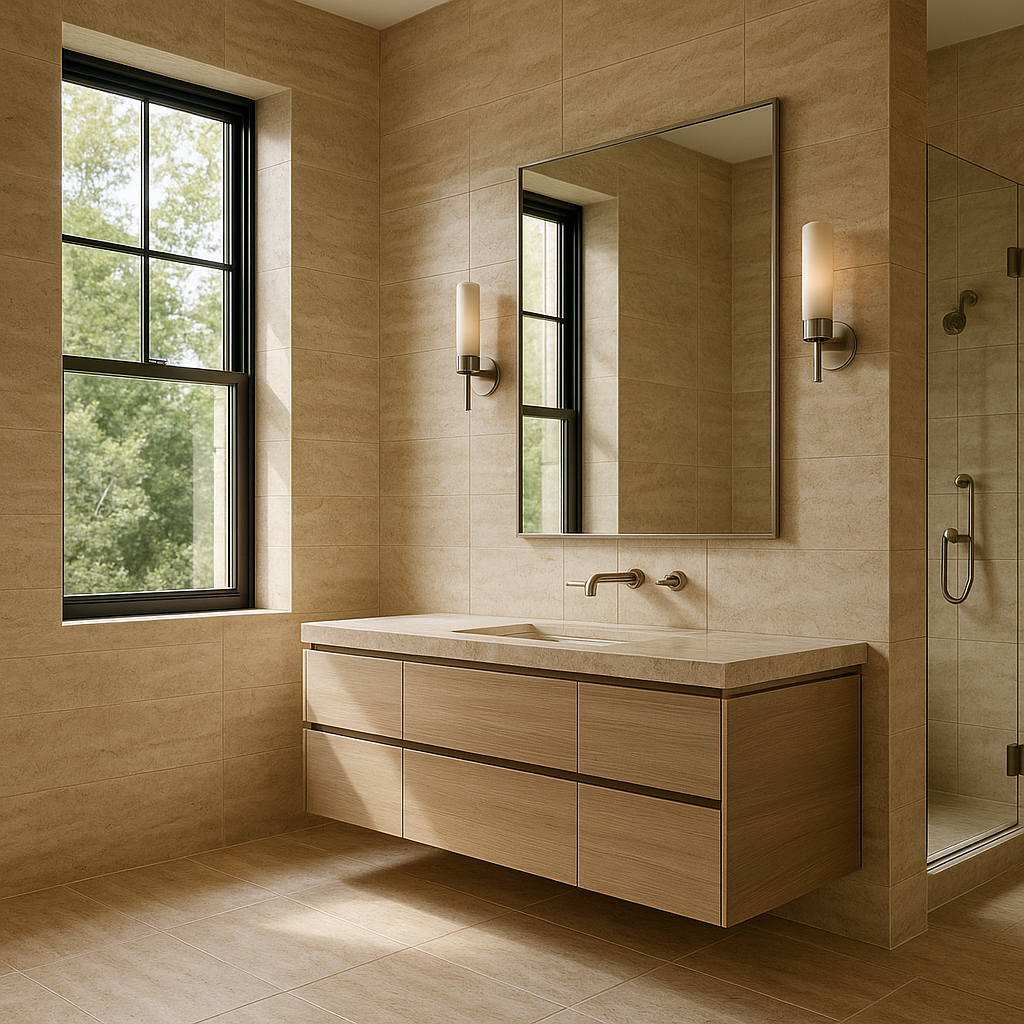
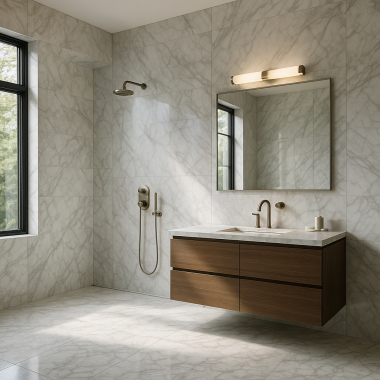
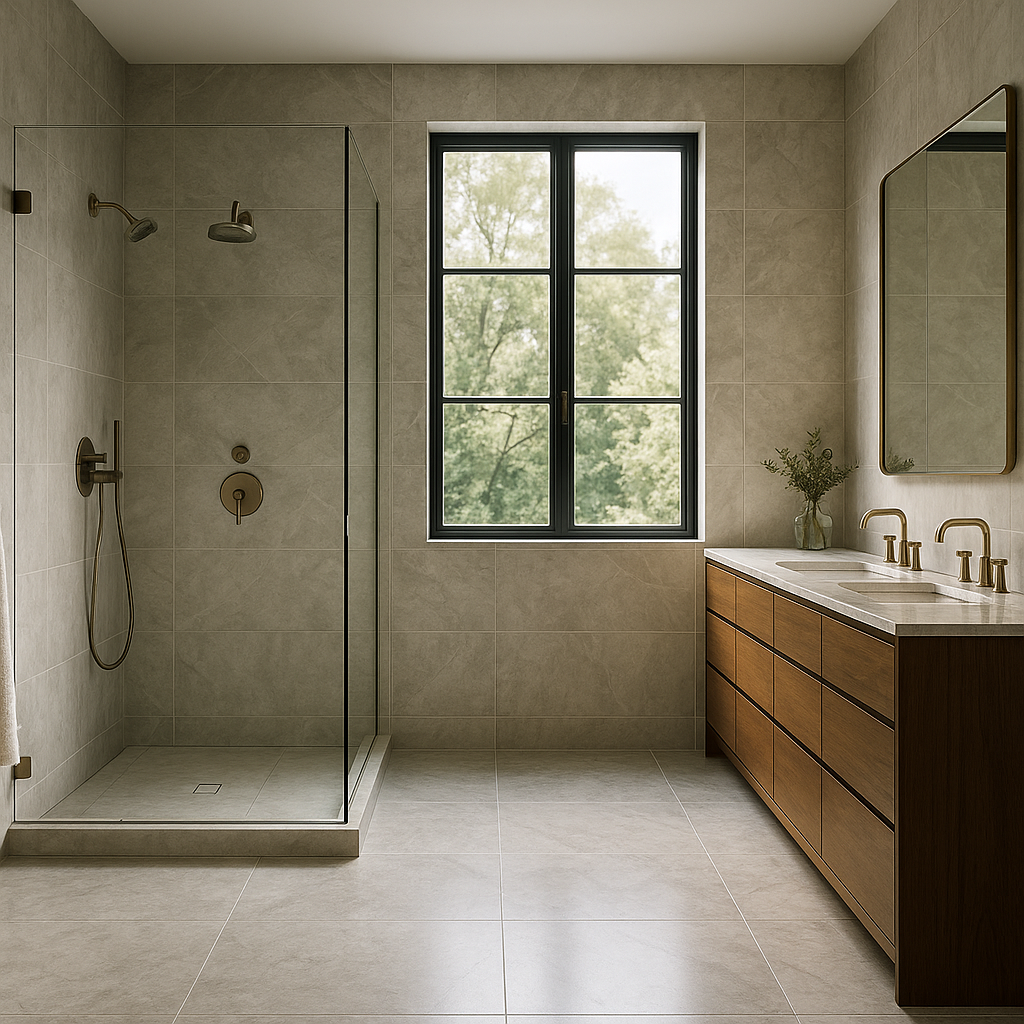
- Variety: Available in numerous designs, including options that mimic natural stone.
Marble Flooring
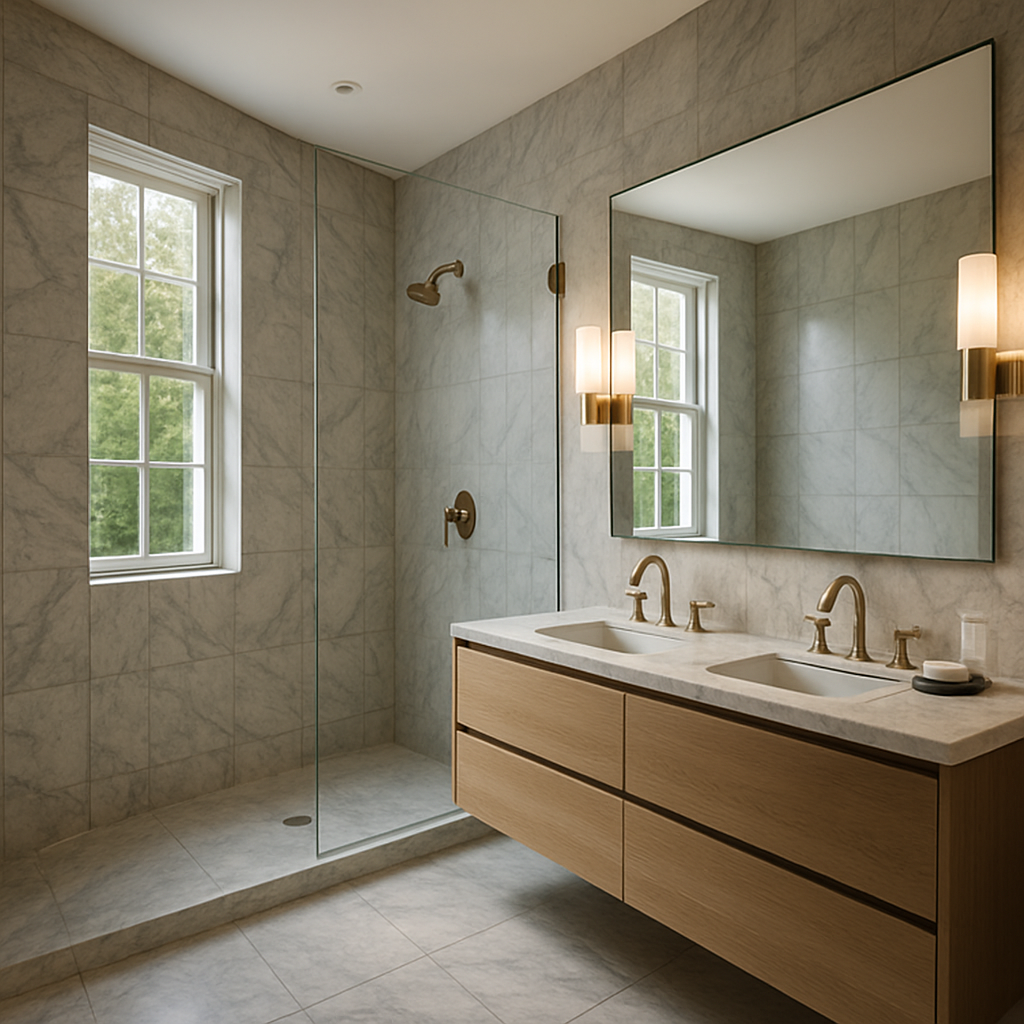
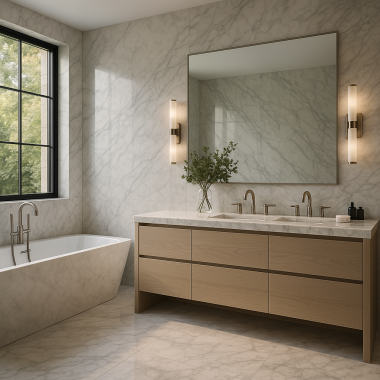
Marble is a natural stone that offers a luxurious and timeless appeal. Each marble tile is unique, showcasing its own veining and color variations, which can add character to any space.
Benefits of Marble Flooring
- Aesthetic Appeal: Marble provides a classic and elegant look that enhances the value of your home.
- Cool Surface: Ideal for warmer climates, marble stays cool underfoot.
- Longevity: With proper care, marble can last for decades.
Buying Guide
When deciding between porcelain and marble flooring, consider the following factors:
- Budget: Porcelain is generally more affordable than marble, making it a great choice for budget-conscious homeowners.
- Location: Consider where the flooring will be installed. Porcelain is better for high-moisture areas like bathrooms and kitchens.
- Style Preferences: Think about the overall aesthetic you want to achieve. Marble offers a classic look, while porcelain can mimic various styles.
Installation Tips
Proper installation is crucial for both porcelain and marble flooring. Here are some tips to ensure a successful installation:
- Subfloor Preparation: Ensure the subfloor is clean, dry, and level before installation.
- Use the Right Adhesive: Choose an adhesive suitable for the type of tile you are installing. Porcelain may require a specific thin-set mortar.
- Grouting: Allow the adhesive to cure before grouting. Follow the manufacturer’s instructions for the best results.
Maintenance Tips
Both porcelain and marble require regular maintenance to keep them looking their best:
- Regular Cleaning: Sweep or vacuum regularly to remove dirt and debris. Use a damp mop with a pH-neutral cleaner.
- Sealing: Marble should be sealed periodically to protect it from stains. Porcelain typically does not require sealing.
- Addressing Damage: For scratches or chips, consult a professional for repairs, especially for marble.
FAQs
1. Is porcelain flooring more durable than marble?
Yes, porcelain is generally more durable and resistant to scratches and moisture compared to marble.
2. Can I install porcelain or marble flooring myself?
While DIY installation is possible, hiring a professional is recommended for the best results, especially for marble.
3. How do I clean porcelain and marble flooring?
Use a damp mop with a pH-neutral cleaner for both types. Avoid harsh chemicals that can damage the surface.
4. Is marble flooring slippery?
Marble can be slippery, especially when wet. Consider textured options or area rugs in high-traffic areas.
5. What is the cost difference between porcelain and marble?
Porcelain is generally more affordable than marble, but prices can vary based on quality and design.
Conclusion
Both porcelain and marble flooring offer unique benefits and aesthetics, making them excellent choices for various spaces in your home. Consider your budget, style preferences, and maintenance capabilities when making your decision. For more options, browse our extensive selection of tile and stone flooring to find the perfect fit for your home.