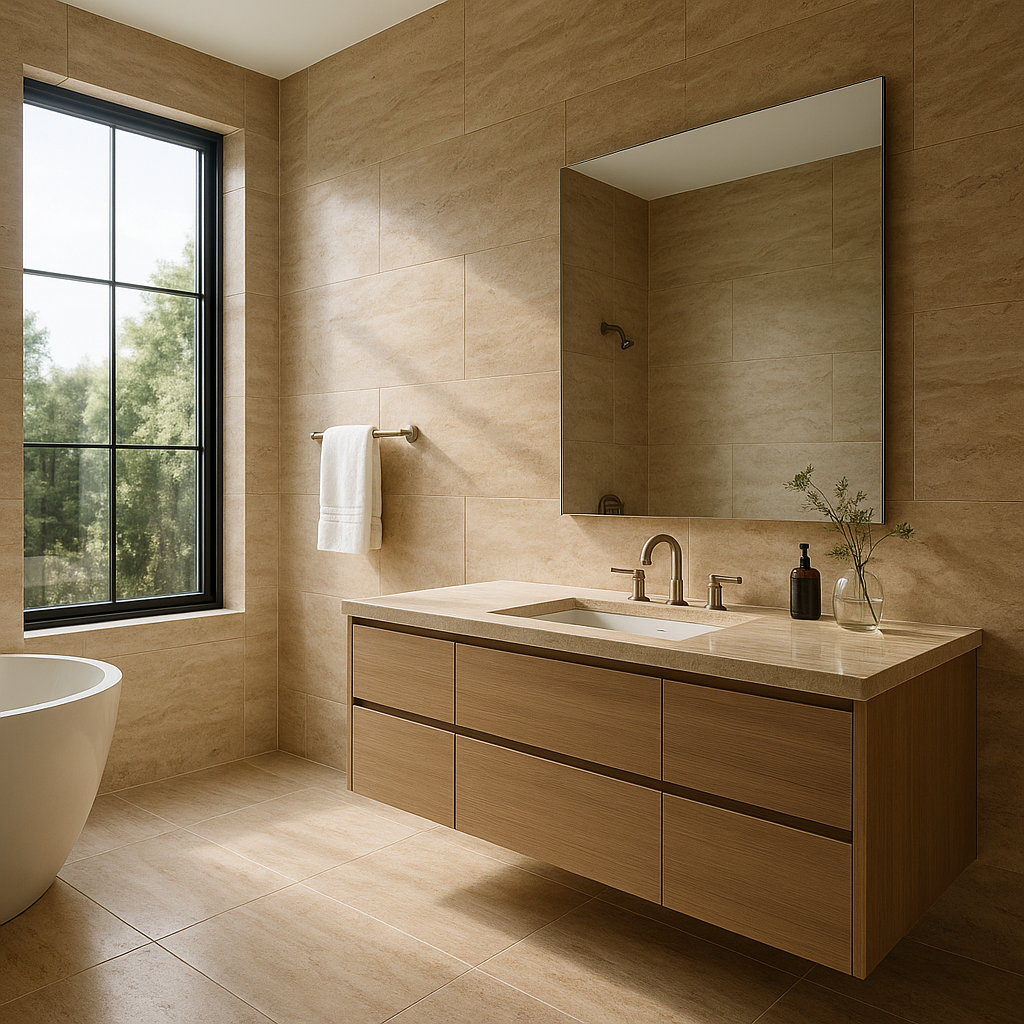

Understanding Travertine and Its Needs
Travertine is a beautiful natural stone that adds elegance to any space, but it requires proper care to maintain its appearance. One of the most crucial steps in preserving travertine is applying the right sealant. This guide will help you choose the best sealant for your travertine surfaces, along with installation and maintenance tips.
What to Look for in a Travertine Sealant
When selecting a sealant for travertine, consider the following factors:
- Type of Sealant: There are two main types: penetrating sealants and topical sealants. Penetrating sealants soak into the stone, providing protection without altering its appearance, while topical sealants create a protective layer on the surface.
- Water Resistance: Look for sealants specifically designed for natural stone that offer excellent water resistance to prevent stains and damage.
- UV Protection: If your travertine is exposed to sunlight, choose a sealant that offers UV protection to prevent fading.
- Ease of Application: Some sealants are easier to apply than others. Consider whether you prefer a spray, roll-on, or brush-on application.
- Drying Time: Check the drying time to ensure it fits your project schedule.
Top Sealant Recommendations for Travertine
Here are some of the best sealants for travertine available on the market:
- StoneTech Heavy Duty Sealer: A penetrating sealant that offers long-lasting protection against stains and moisture.
- Miracle Sealants 511 Impregnator: Known for its excellent water and oil repellency, this sealant is ideal for high-traffic areas.
- Black Diamond Stoneworks Sealer: A versatile option that provides a natural finish while protecting against stains.
- DuPont StoneTech Professional Sealer: Offers superior protection and is suitable for both indoor and outdoor use.
- Rust-Oleum EpoxyShield: A topical sealant that provides a durable finish, perfect for outdoor travertine surfaces.
Installation Tips for Travertine Sealant
Applying sealant correctly is essential for achieving optimal results. Follow these steps for a successful application:
- Clean the Surface: Ensure the travertine surface is clean and free of dust, dirt, and previous sealant residues. Use a pH-neutral cleaner specifically designed for natural stone.
- Dry the Surface: Allow the stone to dry completely before applying sealant. This may take several hours, depending on humidity and temperature.
- Test the Sealant: Before full application, test the sealant on a small, inconspicuous area to ensure compatibility and desired appearance.
- Apply the Sealant: Use a brush, roller, or sprayer to apply the sealant evenly. Follow the manufacturer’s instructions regarding coverage and application techniques.
- Allow to Dry: Let the sealant dry according to the manufacturer’s recommendations before using the surface.
Maintenance Tips for Travertine
To keep your travertine looking its best, regular maintenance is key. Here are some tips:
- Regular Cleaning: Clean the surface regularly with a pH-neutral cleaner to remove dirt and grime.
- Reapply Sealant: Depending on usage and exposure, reapply sealant every 1-3 years to maintain protection.
- Avoid Harsh Chemicals: Steer clear of acidic or abrasive cleaners that can damage the stone.
- Wipe Up Spills Promptly: Quickly clean up spills to prevent staining, especially from acidic substances.
- Use Coasters and Mats: Protect surfaces from scratches and stains by using coasters under drinks and mats under heavy objects.
Frequently Asked Questions
1. How often should I seal my travertine?
It’s recommended to seal travertine every 1-3 years, depending on usage and exposure.
2. Can I use any sealant on travertine?
No, it’s essential to use a sealant specifically designed for natural stone to avoid damage.
3. How do I know if my travertine needs sealing?
Perform a water test: if water beads on the surface, it’s sealed; if it absorbs, it needs sealing.
4. Is topical sealant better than penetrating sealant?
It depends on your needs. Penetrating sealants protect without altering appearance, while topical sealants provide a glossy finish.
5. Can I seal travertine myself?
Yes, sealing travertine is a DIY-friendly project if you follow the manufacturer’s instructions carefully.
Conclusion
Choosing the right sealant for your travertine surfaces is crucial for maintaining their beauty and longevity. By following the installation and maintenance tips provided, you can ensure your travertine remains in excellent condition for years to come. Explore our wide range of tile and stone options to find the perfect fit for your home.