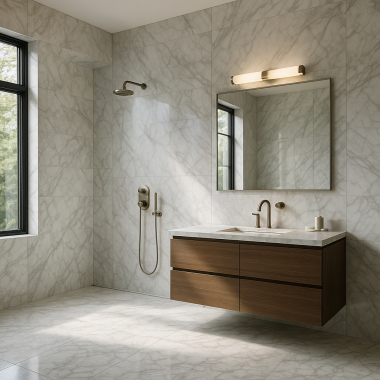

Understanding Marble and Its Vulnerabilities
Marble is a beautiful and luxurious natural stone, often used for countertops, flooring, and decorative elements in homes. However, it is also porous and can easily stain if not properly cared for. Understanding how to prevent stains is essential for maintaining its elegance and longevity.
Buying Guide: Choosing the Right Marble
When selecting marble for your home, consider the following factors to minimize staining risks:
- Finish Type: Polished marble has a higher sheen and is less porous than honed marble, making it somewhat more resistant to stains.
- Color and Pattern: Darker marbles may hide stains better than lighter ones. However, all marbles can stain if not properly sealed.
- Quality: Higher-quality marble tends to have fewer natural fissures and pores, which can help reduce staining.
Installation Tips: Setting Up for Success
Proper installation is crucial for preventing stains in marble. Here are some tips:
- Seal Before Use: Always seal your marble before it is put to use. A good quality sealant can significantly reduce the stone’s porosity.
- Use a Professional Installer: Hiring a professional ensures that the marble is installed correctly, minimizing the risk of damage and stains.
- Consider Location: Place marble in areas where it is less likely to come into contact with staining substances, such as near sinks or food prep areas.
Maintenance Tips: Keeping Marble Stain-Free
Regular maintenance is key to preventing stains on marble surfaces. Follow these tips:
- Clean Spills Immediately: Wipe up spills as soon as they occur, especially acidic substances like lemon juice or vinegar.
- Use pH-Neutral Cleaners: Avoid harsh chemicals that can damage the marble. Instead, use pH-neutral cleaners designed for stone surfaces.
- Regular Sealing: Reseal your marble every 6 to 12 months, depending on usage, to maintain its protective barrier.
- Use Coasters and Trivets: Protect your marble surfaces from hot pots and acidic drinks by using coasters and trivets.
FAQ Section
1. Can all types of marble stain?
Yes, all types of marble are susceptible to staining, especially if they are not sealed properly.
2. How often should I seal my marble?
It is recommended to seal marble every 6 to 12 months, depending on usage and exposure to spills.
3. What should I do if my marble gets stained?
For minor stains, try using a baking soda paste. For tougher stains, consult a professional stone restoration service.
4. Are there specific cleaners I should avoid?
Avoid acidic cleaners like vinegar or lemon juice, as they can etch and damage the marble surface.
5. Is honed marble more prone to staining than polished marble?
Honed marble is more porous than polished marble, making it slightly more susceptible to stains.
Conclusion
Preventing stains on marble requires a combination of careful selection, proper installation, and diligent maintenance. By following the tips outlined in this guide, you can enjoy the beauty of marble in your home without the worry of unsightly stains. For more options in tile and stone, be sure to browse our extensive collection.