Understanding Kitchen Backsplash Tiles
A kitchen backsplash is not just a protective barrier against spills and splatters; it also serves as a focal point in your kitchen design. Choosing the right tile can enhance your kitchen’s aesthetics while ensuring durability and ease of maintenance.
Best Tile Options for Kitchen Backsplashes
When selecting tiles for your kitchen backsplash, consider materials, colors, and patterns that fit your style. Here are some popular choices:
- Ceramic Tiles: Affordable and versatile, ceramic tiles come in various colors and designs. They are easy to clean and resistant to moisture.
- Glass Tiles: Offering a modern look, glass tiles reflect light and can make a small kitchen appear larger. They are easy to maintain but can be more expensive.
- Subway Tiles: Classic and timeless, subway tiles are typically rectangular and can be arranged in various patterns. They are available in many colors and finishes.
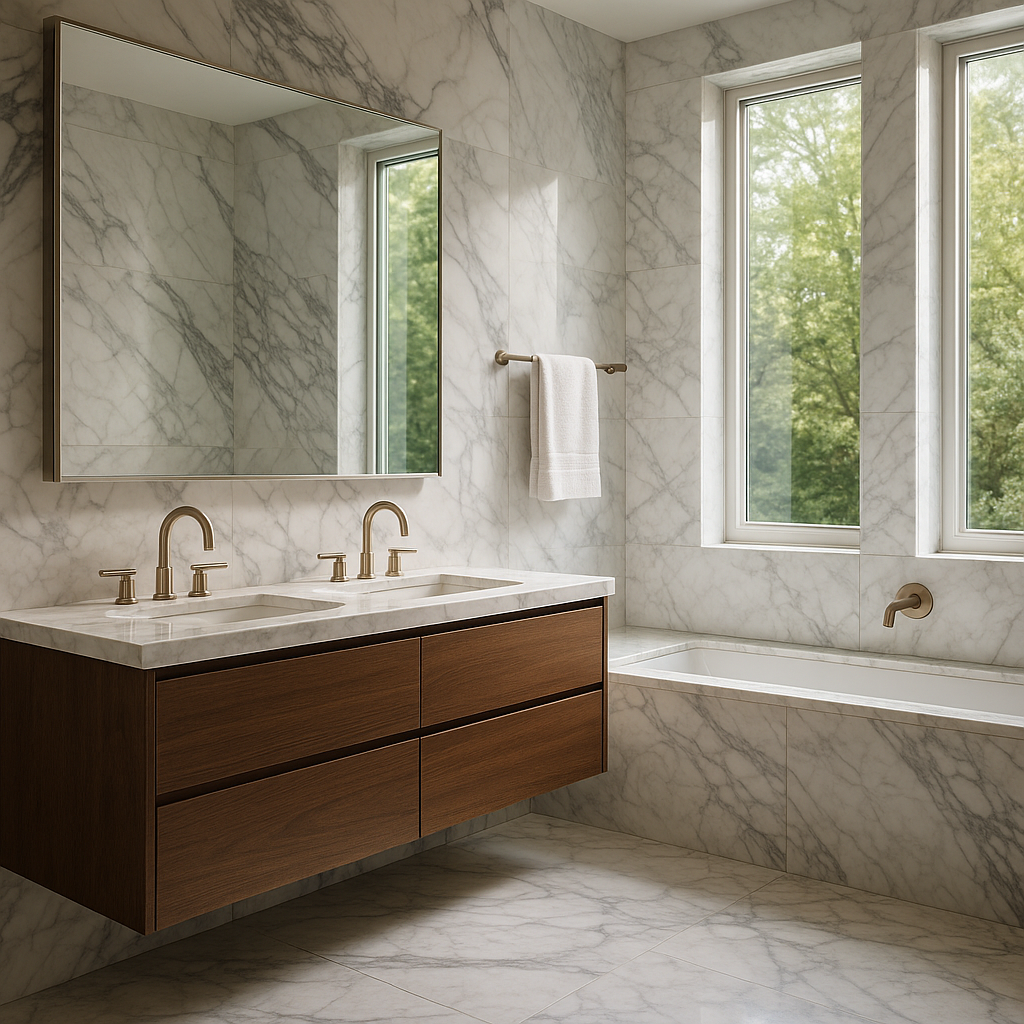
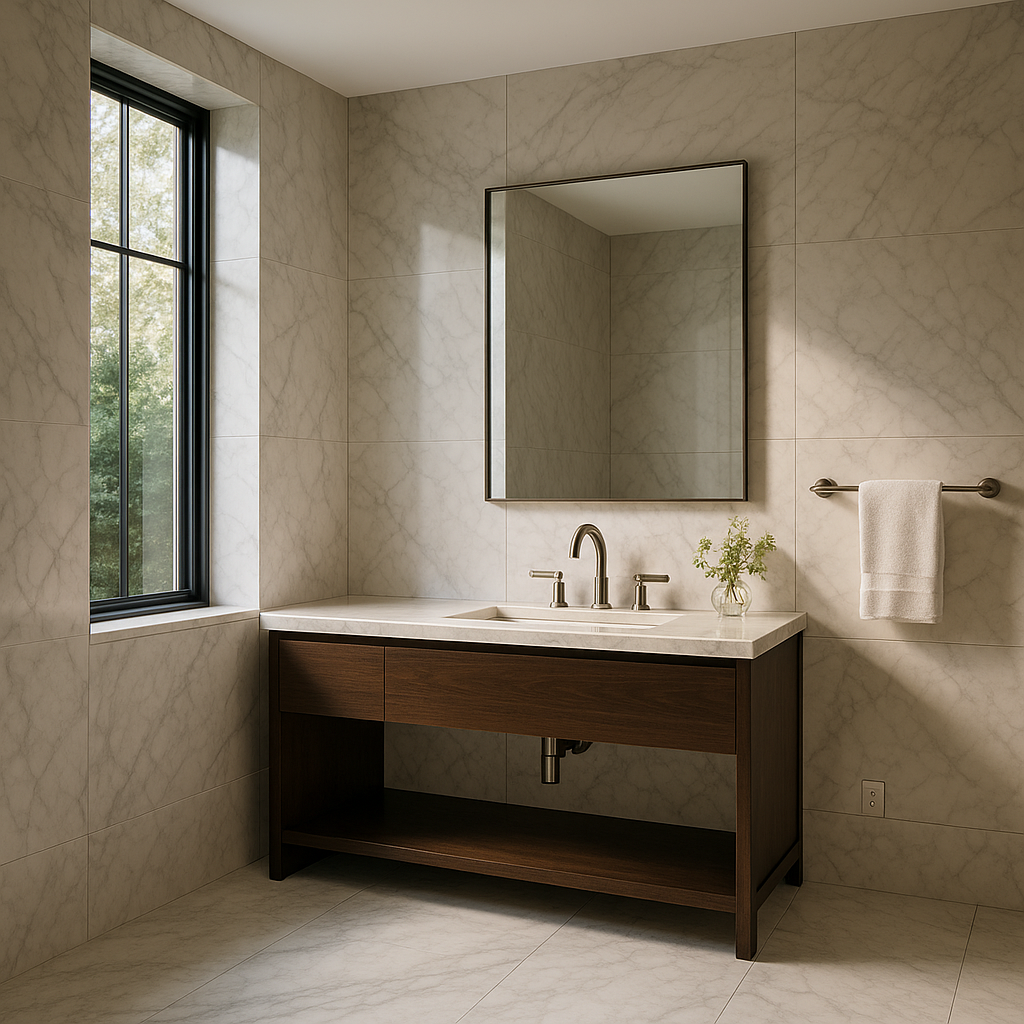
- Natural Stone Tiles: Granite, marble, and slate add elegance but require more maintenance. They are prone to staining and may need sealing.
- Metal Tiles: Stainless steel or copper tiles can give your kitchen a sleek, industrial look. They are durable but may show fingerprints and require regular cleaning.
Buying Guide for Kitchen Backsplash Tiles
When purchasing tiles for your backsplash, consider these factors:
- Size: Measure your backsplash area to determine how many tiles you need. Standard tile sizes include 3×6 inches and 12×12 inches.
- Color and Design: Choose colors that complement your kitchen’s overall theme. Light colors can brighten a space, while dark colors can add depth.
- Material: Select a material that fits your lifestyle. For high-traffic kitchens, durable and easy-to-clean materials are ideal.
- Finish: Glossy finishes reflect light and are easier to clean, while matte finishes can hide imperfections but may be more challenging to clean.
- Budget: Determine your budget beforehand. Prices can vary significantly based on material and design.
Installation Tips for Kitchen Backsplash Tiles
Installing a kitchen backsplash can be a rewarding DIY project. Here are some tips to ensure a successful installation:
- Prep the Surface: Clean the wall surface thoroughly. If needed, patch any holes or imperfections to create a smooth surface for tile adhesion.
- Plan Your Layout: Before applying adhesive, lay out the tiles on the floor to visualize how they will look. This helps avoid mistakes during installation.
- Use the Right Adhesive: Choose an adhesive suitable for your tile type. Thin-set mortar is commonly used for most backsplash tiles.
- Cut Tiles Carefully: Use a tile cutter for clean edges. Measure twice and cut once to minimize waste.
- Grouting: Allow the adhesive to set before grouting. Choose a grout color that complements your tiles, and apply it evenly between tiles.
Maintenance Tips for Kitchen Backsplash Tiles
Maintaining your kitchen backsplash is essential for longevity and appearance. Here are some maintenance tips:
- Regular Cleaning: Wipe down your backsplash with a mild detergent and warm water. Avoid harsh chemicals that can damage the tile surface.
- Seal Natural Stone: If you choose natural stone, apply a sealant regularly to protect against stains and moisture.
- Address Grout Lines: Inspect grout lines for wear and tear. Regrouting may be necessary every few years to keep your backsplash looking fresh.
- Prevent Stains: Clean spills immediately to prevent staining, especially with porous materials like natural stone.
- Inspect for Damage: Regularly check for cracks or loose tiles and address issues promptly to avoid larger repairs.
FAQs About Kitchen Backsplash Tiles
Here are some common questions homeowners have about kitchen backsplash tiles:
- What is the best tile for a kitchen backsplash? Ceramic and glass tiles are popular for their durability and ease of cleaning.
- How high should a kitchen backsplash be? A backsplash typically extends from the countertop to the bottom of the upper cabinets, usually around 18 inches high.
- Can I install a backsplash myself? Yes, many homeowners successfully install their backsplashes, but ensure you follow proper installation techniques.
- How do I clean my tile backsplash? Use a mild detergent and warm water for regular cleaning. Avoid abrasive cleaners.
- Are there eco-friendly tile options? Yes, consider tiles made from recycled materials or sustainably sourced natural stone.
Conclusion
Choosing the best tile for your kitchen backsplash can elevate your kitchen design while providing functional benefits. Explore various options to find the perfect match for your style and needs. For a wide selection of tile and stone options, browse our collection today!