
Introduction
Choosing the right flooring for your home can be a daunting task. Two popular options are stone tile and vinyl plank flooring. Each has its unique benefits and drawbacks, making it essential to understand their differences before making a decision.
Stone Tile vs Vinyl Plank: An Overview
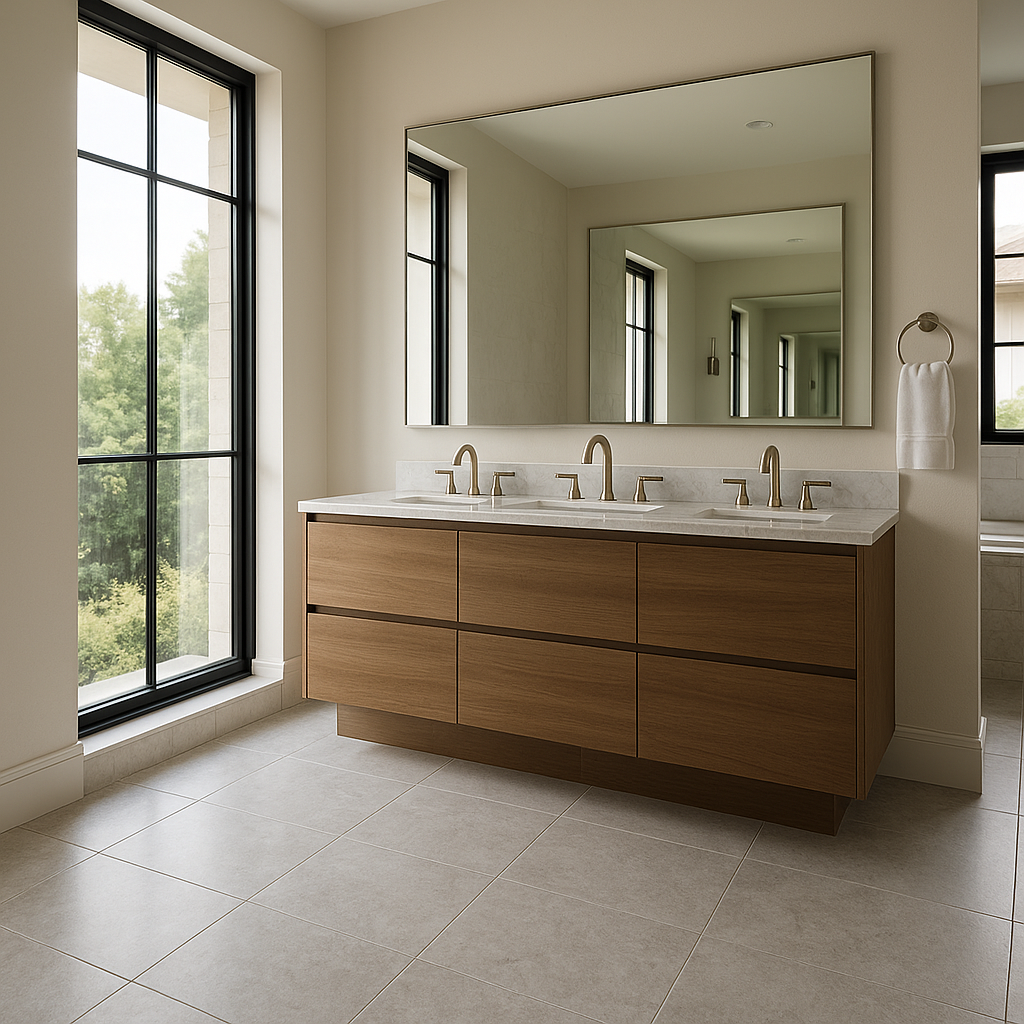
Stone tile is a natural material that offers durability and a timeless aesthetic. Vinyl plank, on the other hand, is a synthetic product designed to mimic the look of wood or stone while providing a softer feel underfoot. Here’s a closer look at both options.
Buying Guide
When considering stone tile or vinyl plank, here are some factors to keep in mind:
- Cost: Stone tile generally has a higher upfront cost compared to vinyl plank. However, consider long-term value and durability.
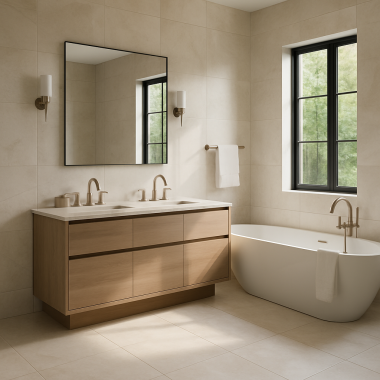
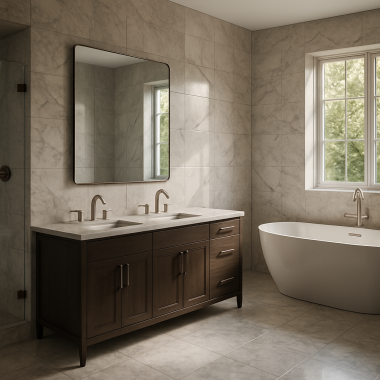
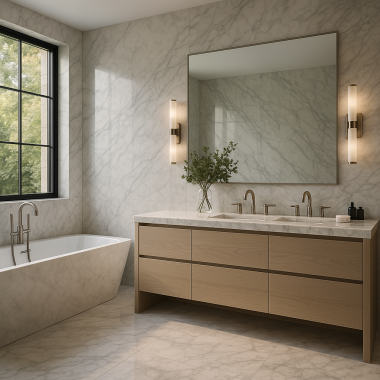
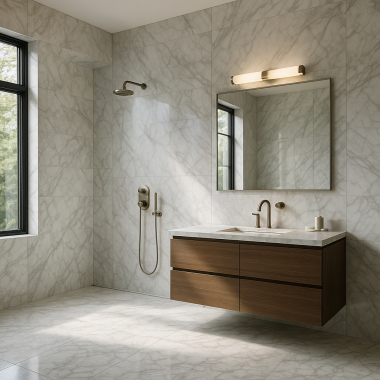
- Style: Stone tiles come in various colors and textures, offering a natural look. Vinyl planks can replicate wood and stone aesthetics, providing versatility.
- Durability: Stone tile is highly durable and resistant to scratches, while vinyl plank is less durable but can withstand moisture better.
- Comfort: Vinyl plank is softer and warmer underfoot, making it more comfortable for long periods of standing.
- Installation: Vinyl plank is generally easier to install, often featuring click-lock systems, while stone tile requires more skill and effort.
Installation Tips
Proper installation is crucial for both stone tile and vinyl plank. Here are some tips for each:
Stone Tile Installation
- Preparation: Ensure the subfloor is clean, dry, and level. Any imperfections can affect the tile’s performance.
- Layout: Plan your layout before starting. Use chalk lines to mark where the tiles will go.
- Adhesive: Use a high-quality thin-set mortar for bonding the tiles to the subfloor.
- Grouting: Allow the adhesive to cure before grouting. Choose a grout color that complements your tiles.
Vinyl Plank Installation
- Acclimation: Let the planks acclimate in the room for 48 hours before installation.
- Underlayment: Consider using an underlayment for added comfort and sound absorption.
- Click-Lock System: If using a click-lock vinyl plank, follow the manufacturer’s instructions for proper alignment and locking.
- Trimming: Use a utility knife to trim planks to fit around edges and corners.
Maintenance Tips
Maintaining your flooring will ensure it lasts for years. Here’s how to care for both stone tile and vinyl plank:
Stone Tile Maintenance
- Cleaning: Use a pH-neutral cleaner and a soft mop to avoid damaging the surface.
- Sealing: Seal your stone tiles regularly to prevent stains and moisture penetration.
- Repairs: Address any chips or cracks promptly to prevent further damage.
Vinyl Plank Maintenance
- Cleaning: Sweep or vacuum regularly to remove dirt and debris. Use a damp mop with a gentle cleaner.
- Avoid Excess Water: While vinyl is water-resistant, avoid excessive moisture to prevent warping.
- Scratches: Use felt pads under furniture to prevent scratches and dents.
FAQs
- 1. Is stone tile more expensive than vinyl plank?
Yes, stone tile typically has a higher initial cost compared to vinyl plank. - 2. Can I install stone tile myself?
While DIY installation is possible, it requires skill and experience. Hiring a professional is recommended for best results. - 3. How long does vinyl plank flooring last?
High-quality vinyl plank flooring can last 10-20 years with proper care. - 4. Is stone tile cold in winter?
Yes, stone tile can be cold underfoot in winter. Consider radiant heating for added comfort. - 5. Can I use stone tile in wet areas?
Yes, stone tile is suitable for wet areas, but proper sealing is essential to prevent moisture damage.
Conclusion
Both stone tile and vinyl plank flooring have their advantages and disadvantages. Your choice will depend on your budget, style preferences, and maintenance willingness. For a wide range of options, consider browsing our selection of tile and stone products to find the perfect fit for your home.