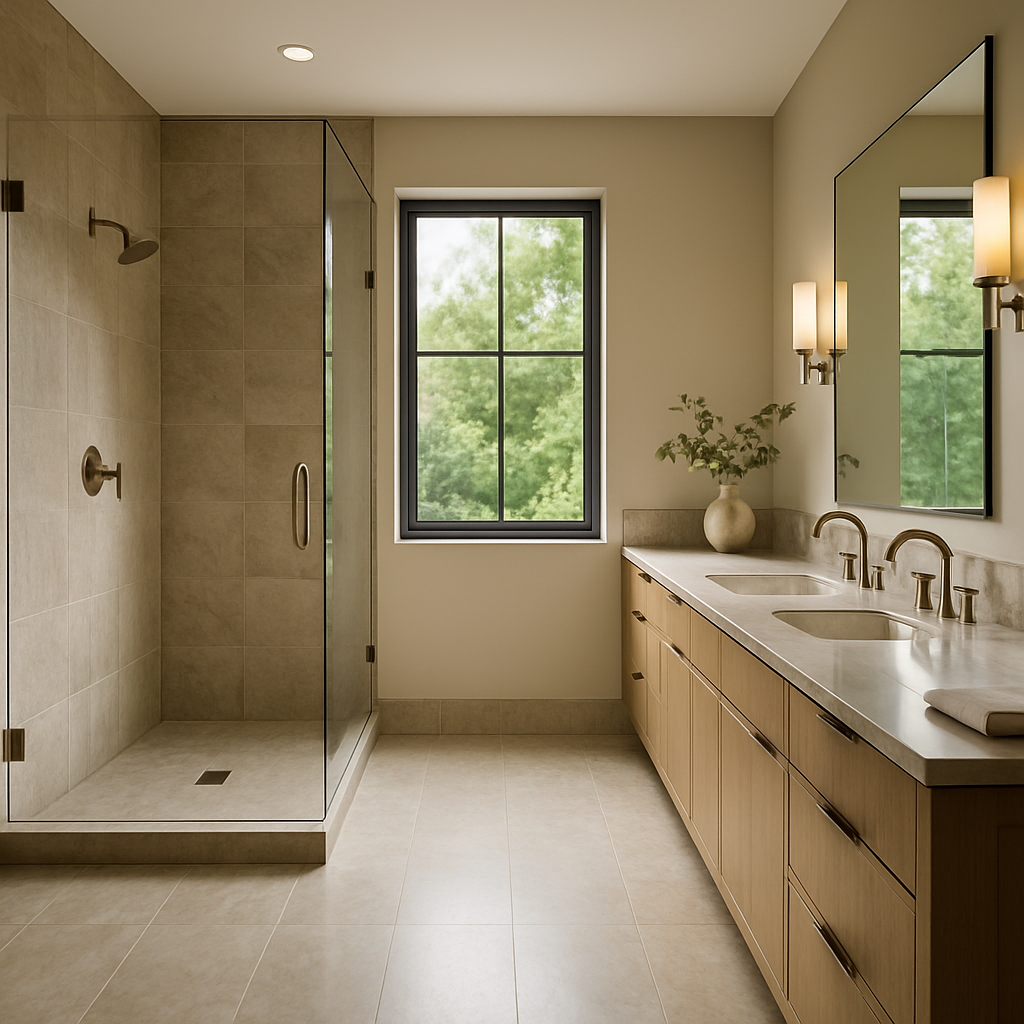

Choosing the Best Shower Floor Tile
When it comes to selecting the best shower floor tile, homeowners and contractors have a plethora of options. The right choice can enhance the aesthetic of your bathroom while providing safety and durability. Here are some popular materials to consider:
- Ceramic Tile: Affordable and versatile, ceramic tiles come in various styles and colors.
- Porcelain Tile: Denser and more durable than ceramic, porcelain is ideal for wet areas.
- Natural Stone: Options like marble, granite, and slate offer a luxurious look but require more maintenance.
- Vinyl Tile: A budget-friendly alternative, vinyl tiles are water-resistant and easy to install.
- Glass Tile: Adds a modern touch and reflects light, but can be slippery if not textured.
Buying Guide for Shower Floor Tile
When purchasing shower floor tiles, consider the following factors:
- Slip Resistance: Look for tiles with a high Coefficient of Friction (COF) rating to prevent slips.
- Water Absorption Rate: Choose tiles with low water absorption to minimize the risk of mold and mildew.
- Size and Shape: Smaller tiles can create more grout lines, which can enhance slip resistance but may require more maintenance.
- Style and Color: Select a design that complements your overall bathroom decor.
- Budget: Determine your budget beforehand to narrow down your options.
Installation Tips for Shower Floor Tile
Installing shower floor tiles can be a DIY project or a job for professionals. Here are some essential tips for a successful installation:
- Prepare the Surface: Ensure the subfloor is clean, dry, and level before installation.
- Use a Waterproof Membrane: Installing a waterproof barrier will help prevent water damage.
- Plan Your Layout: Dry-fit tiles before adhering them to visualize the final look and minimize cuts.
- Grout Carefully: Choose a grout suitable for wet areas and apply it evenly to avoid gaps.
- Seal Natural Stone: If using natural stone tiles, apply a sealant to protect against stains and moisture.
Maintenance Tips for Shower Floor Tile
Proper maintenance will prolong the life of your shower floor tiles and keep them looking new. Here are some maintenance tips:
- Regular Cleaning: Use a mild detergent and warm water to clean tiles regularly. Avoid harsh chemicals that can damage the surface.
- Address Grout Issues: Check for cracks or discoloration in grout and repair them promptly to prevent water infiltration.
- Use a Squeegee: After each shower, use a squeegee to remove excess water and prevent soap scum buildup.
- Reseal as Needed: For natural stone tiles, reseal every 6-12 months depending on usage.
- Check for Mold: Regularly inspect for mold or mildew and treat affected areas immediately.
Frequently Asked Questions
1. What is the best material for shower floor tiles?
Porcelain and ceramic tiles are popular for their durability and water resistance.
2. How do I prevent slipping on shower tiles?
Choose tiles with a high COF rating and consider textured surfaces for better grip.
3. Can I install shower floor tiles myself?
Yes, but ensure you follow proper installation techniques and guidelines for best results.
4. How often should I clean my shower tiles?
Regular cleaning after each use is recommended to prevent buildup and stains.
5. Do I need to seal my shower tiles?
Natural stone tiles require sealing, while ceramic and porcelain typically do not.
Conclusion
Choosing the best shower floor tile involves considering various factors such as material, slip resistance, and maintenance. By following the tips outlined in this guide, you can create a beautiful and functional shower space. For more options, browse our extensive selection of tile and stone products to find the perfect fit for your home.