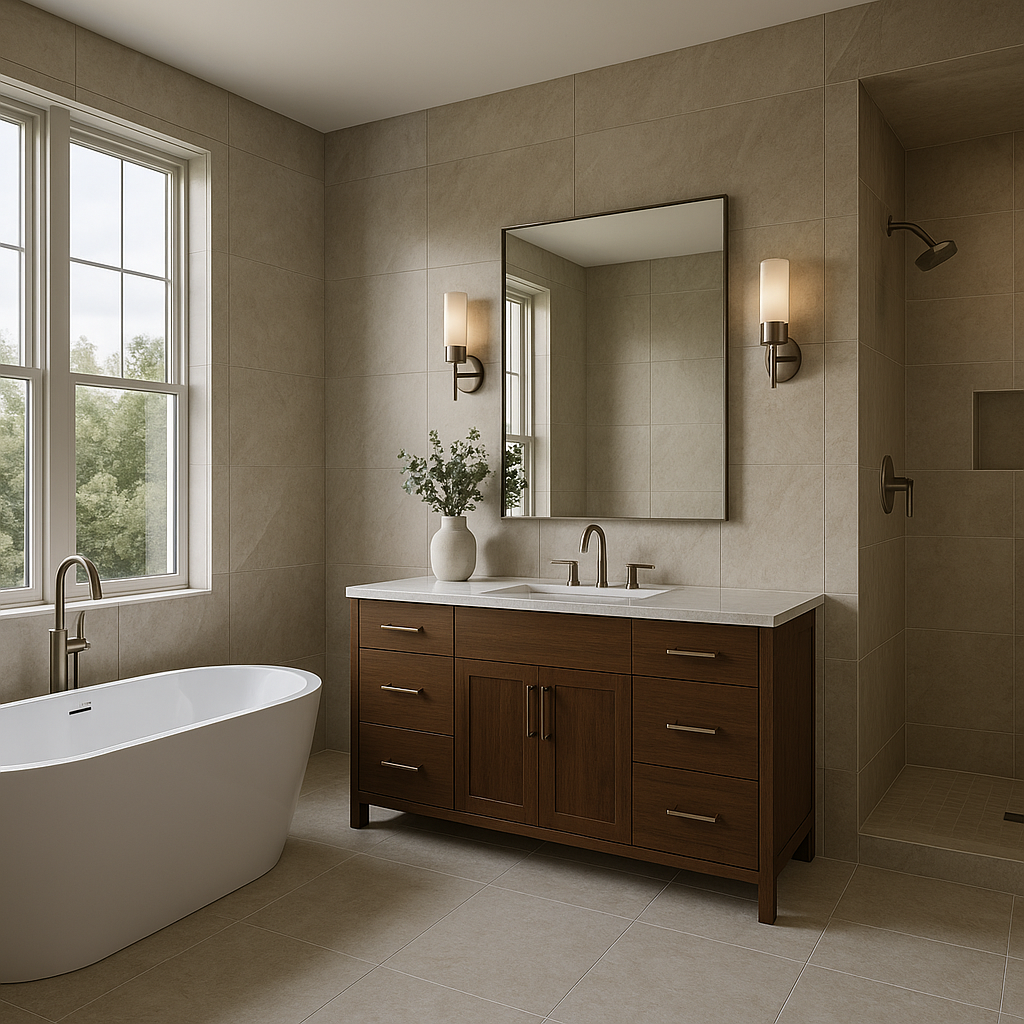

Introduction
When it comes to rental properties, choosing the right flooring is crucial. Not only does it need to be durable and easy to maintain, but it should also appeal to potential tenants. This guide will help homeowners and contractors select the best tile options for rental properties.
Buying Guide
When selecting tile for rental properties, consider the following factors:
- Durability: Look for tiles that can withstand heavy foot traffic. Porcelain and ceramic tiles are excellent choices due to their strength.
- Water Resistance: In areas prone to moisture, such as kitchens and bathrooms, choose water-resistant tiles to prevent damage.
- Ease of Maintenance: Opt for tiles that are easy to clean and maintain. Glossy finishes can hide dirt, while textured surfaces may require more effort.
- Style and Aesthetics: Neutral colors and classic designs tend to appeal to a broader audience, making it easier to attract tenants.
- Cost: Balance quality with budget. While it’s tempting to go for the cheapest option, investing in quality tiles can save money in the long run.
Best Tile Options for Rental Properties
Here are some of the best tile options to consider:
- Porcelain Tile: Highly durable and water-resistant, porcelain tiles are ideal for high-traffic areas.
- Ceramic Tile: A versatile and cost-effective option, ceramic tiles come in various styles and are suitable for most areas.
- Vinyl Tile: While not traditional tile, luxury vinyl tile (LVT) mimics the look of ceramic or wood and is very affordable and easy to install.
- Natural Stone Tile: Options like slate or travertine add elegance but require more maintenance. They are best used in low-traffic areas.
Installation Tips
Proper installation is key to ensuring the longevity of your tile. Here are some tips:
- Prepare the Subfloor: Ensure the subfloor is clean, dry, and level before installation. This prevents future cracking and damage.
- Use Quality Adhesives: Invest in high-quality adhesives and grout to ensure a strong bond and prevent water infiltration.
- Follow Manufacturer Instructions: Always adhere to the installation guidelines provided by the tile manufacturer for the best results.
- Allow for Expansion: Leave space around the edges of the tiles for expansion and contraction, especially in larger areas.
- Consider Professional Help: If you’re unsure about your installation skills, hiring a professional can save time and ensure a quality job.
Maintenance Tips
Maintaining your tile is essential for keeping it looking great and lasting longer. Here are some maintenance tips:
- Regular Cleaning: Sweep or vacuum regularly to remove dirt and debris. Use a damp mop with a mild cleaner for deeper cleaning.
- Seal Grout Lines: Grout can stain easily, so sealing it can help maintain its appearance and prevent mold growth.
- Avoid Harsh Chemicals: Use gentle cleaners to avoid damaging the tile surface or grout.
- Address Damage Promptly: Repair any chips or cracks immediately to prevent further damage.
- Check for Loose Tiles: Regularly inspect tiles for looseness and re-grout or replace as necessary.
FAQ
1. What type of tile is best for high-traffic areas?
Porcelain tile is the best choice for high-traffic areas due to its durability and resistance to wear.
2. Can I install tile over existing flooring?
Yes, you can install tile over existing flooring, but ensure the surface is level and clean for the best results.
3. How often should I clean my tile floors?
Regular cleaning is recommended, ideally weekly, with deeper cleaning every month or as needed.
4. Is natural stone tile worth the investment?
Natural stone tile offers unique aesthetics and durability, making it a worthwhile investment for low-traffic areas.
5. What should I do if my tile cracks?
If a tile cracks, it’s best to replace it promptly to prevent further damage and maintain the floor’s integrity.
Conclusion
Choosing the right tile for rental properties involves considering durability, maintenance, and aesthetics. With the right selection and care, your tile can enhance the appeal of your rental property. For a wide range of tile and stone options, browse our collection today!