
Honed vs Polished Marble: Which Finish is Right for Your Home?
Marble is a timeless natural stone that adds elegance and sophistication to any home. When selecting marble for flooring, countertops, or wall cladding, one of the most important decisions is choosing between a honed or polished finish. Both finishes offer distinct aesthetic and functional qualities, making it essential for homeowners and contractors to understand their differences. This article explores the key characteristics of honed versus polished marble, helping you make an informed choice that suits your style, budget, and lifestyle.
Understanding the Key Differences Between Honed and Polished Marble
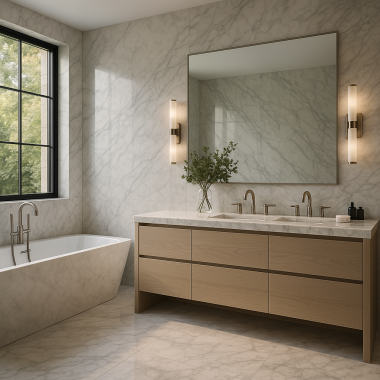
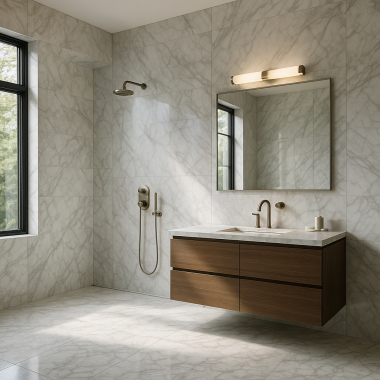
Honed and polished marble differ primarily in their surface texture and sheen. Polished marble has a glossy, mirror-like finish achieved through extensive buffing and polishing, which highlights the stone’s natural veining and colors. This finish reflects light beautifully, making spaces appear brighter and more luxurious. In contrast, honed marble features a matte or satin finish created by grinding the surface to a smooth, flat texture without the high-gloss shine. Honed marble offers a more subtle, understated look with a soft glow rather than a reflective surface. The choice between the two depends on your desired aesthetic and the practical needs of the space.
Pros and Cons of Honed vs Polished Marble for Your Home
Polished marble is prized for its stunning visual appeal, enhancing the natural patterns and giving a sophisticated, high-end feel. However, its glossy surface can be slippery when wet and is more prone to showing scratches, etching from acidic substances, and fingerprints. This makes it ideal for low-traffic areas or places where a striking appearance is a priority. Honed marble, on the other hand, offers better slip resistance due to its matte finish and hides scratches and etching more effectively, making it suitable for high-traffic areas like kitchens or bathrooms. The trade-off is that honed marble may appear less vibrant and requires regular sealing to protect against stains.
Buying Guide: What to Consider When Choosing Between Honed and Polished Marble
When purchasing marble, consider the room’s function, lighting, and your maintenance preferences. For areas exposed to moisture or heavy foot traffic, honed marble can be a practical choice due to its durability and slip resistance. Polished marble works well in formal living rooms, entryways, or decorative accents where aesthetics are paramount, and wear is minimal. Evaluate the color and veining patterns as polished finishes tend to intensify these features, while honed finishes soften them. Additionally, factor in your budget, as polishing involves more labor and can increase costs. Always buy from reputable suppliers who provide high-quality, natural stone and offer guidance on finishes.
Installation Tips for Honed and Polished Marble
Proper installation is crucial to maximize the beauty and longevity of both honed and polished marble. Ensure the subfloor or substrate is level and structurally sound to prevent cracking or uneven surfaces. Use professional installers familiar with natural stone to achieve precise cuts and seamless grout lines. For polished marble, extra care during handling is necessary to avoid chipping the glossy edges. Honed marble installation may require additional sealing immediately after installation to protect the matte surface from stains and moisture. Always follow manufacturer and supplier recommendations regarding adhesives and grouts compatible with your chosen finish.
Maintenance Tips: Keeping Your Marble Looking Its Best
Maintenance routines differ slightly between honed and polished marble. Polished marble requires gentle cleaning with pH-neutral cleaners and a soft cloth to preserve its shine and prevent etching. Avoid acidic or abrasive cleaners that can dull the surface. Regular resealing every 6 to 12 months helps maintain its protective layer. Honed marble also benefits from pH-neutral cleaning but needs more frequent sealing because the matte finish is more porous and susceptible to staining. For both finishes, promptly wipe spills, especially oil or acidic substances like lemon juice or vinegar, to prevent permanent damage. Using rugs or mats in high-traffic zones can extend the marble’s lifespan.
FAQs About Honed and Polished Marble
1. Can honed marble be polished later if I change my mind?
Yes, honed marble can be polished after installation, but it requires professional refinishing to restore the glossy surface.
2. Is polished marble more expensive than honed marble?
Typically, yes. The polishing process adds labor and time, increasing the overall cost compared to honed finishes.
3. Which marble finish is better for kitchen countertops?
Honed marble is often preferred for kitchen countertops due to its resistance to scratches and less noticeable etching, though it requires regular sealing.
4. Does honed marble stain more easily than polished marble?
Yes, the matte surface of honed marble is more porous and can absorb stains more readily, making sealing crucial.
5. Are there specific marble types better suited to each finish?
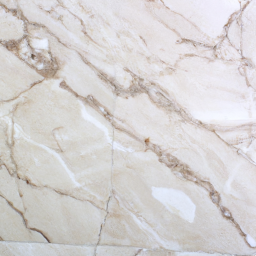
Some marbles with bold veining, like Calacatta, shine with a polished finish, while softer veined or more uniform stones often look elegant honed.
Choosing between honed and polished marble involves balancing aesthetics, functionality, and maintenance. Both finishes offer unique benefits that can elevate your home’s natural stone surfaces. For the best results, source your marble from premium tile suppliers who provide expert advice and high-quality products tailored to your needs. Whether you select the soft elegance of honed marble or the radiant shine of polished marble, proper installation and care will ensure your investment remains beautiful for years to come.