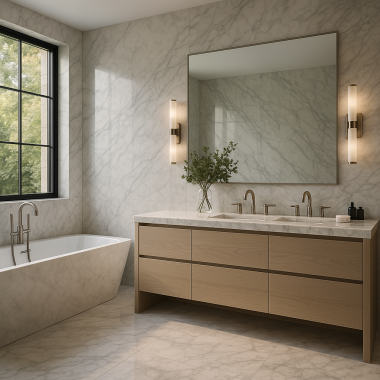
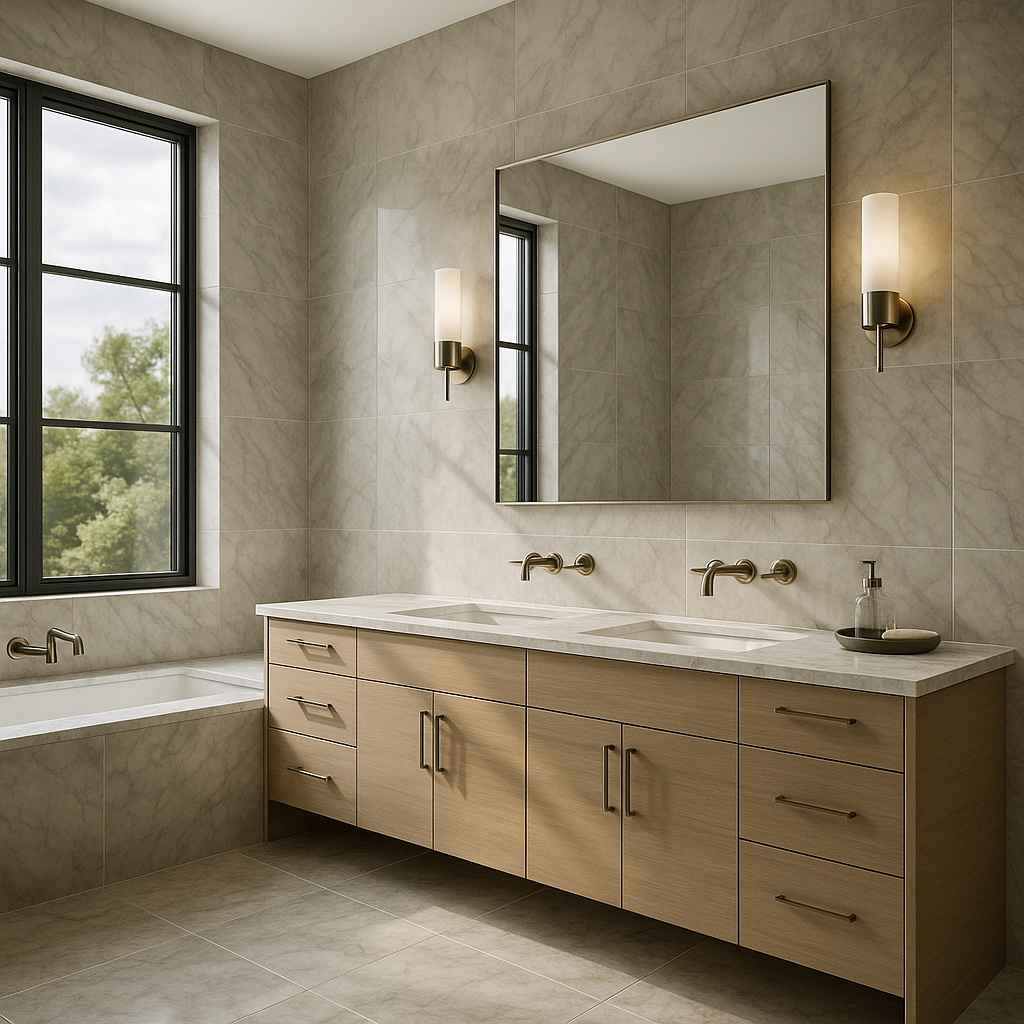
Is Travertine Good for Showers?
When it comes to selecting the perfect material for your shower, homeowners and contractors alike often weigh aesthetics, durability, and maintenance. Travertine, a type of natural stone tile, has gained popularity in bathrooms for its unique texture and warm, earthy tones. But is travertine good for showers? This article explores the benefits and potential drawbacks of using travertine tiles in shower spaces, along with buying advice, installation tips, maintenance guidelines, and answers to frequently asked questions. Whether you’re remodeling a bathroom or building new, understanding travertine’s properties will help you make an informed decision.
Benefits of Using Travertine Tiles in Showers
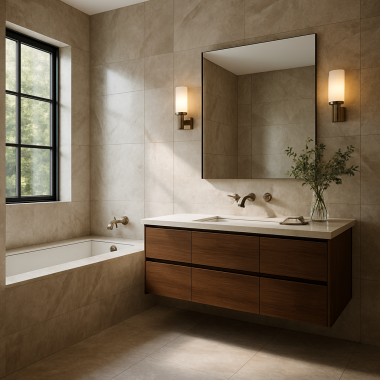
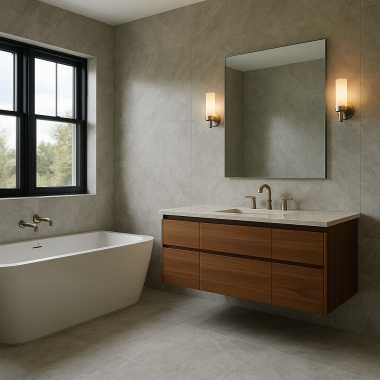
Travertine tiles bring a timeless elegance to showers that few materials can match. Their natural variation in color and texture—from creamy beige to rich caramel—adds visual interest and creates a spa-like atmosphere. Beyond aesthetics, travertine is highly durable and can withstand the moisture and temperature changes typical in shower environments. Its porous surface provides natural slip resistance, enhancing safety underfoot. Additionally, travertine is versatile and can be cut into various sizes and finishes, allowing for creative design layouts such as mosaics, herringbone patterns, or large-format tiles. For homeowners seeking a luxurious yet natural look, travertine offers a unique blend of beauty and practicality.
Potential Drawbacks of Travertine for Shower Spaces
Despite its many benefits, travertine does come with some challenges that homeowners should consider before installation. Its porous nature means it can absorb water and stains if not properly sealed, potentially leading to discoloration or mold growth over time. This requires regular sealing and maintenance to keep the tiles looking their best. Additionally, travertine is softer than other natural stones like granite or porcelain, making it more susceptible to scratches and chips. In high-traffic showers or homes with pets and children, this could impact its long-term durability. Finally, travertine can be more expensive, both in terms of material and installation costs, compared to synthetic alternatives. Understanding these drawbacks helps ensure that travertine is the right choice for your specific shower needs.
Buying Guide for Travertine Shower Tiles
When selecting travertine tiles for your shower, quality and finish are paramount. Look for tiles with a honed or brushed finish rather than a polished one, as these finishes offer better slip resistance and a more natural look. Pay attention to the grade of travertine; premium grades have fewer pits and holes, which means less filling and easier maintenance. Choose tiles that are at least 12 inches square for a modern look or smaller mosaic tiles if you want more texture and grip on the shower floor. It’s also important to buy from reputable suppliers who provide natural stone tiles that have been properly quarried and processed. Finally, consider the color and veining patterns that will complement your bathroom design while hiding water spots and soap scum.
Installation Tips for Travertine in Showers
Proper installation is critical to the longevity and appearance of travertine in showers. Start with a waterproof substrate to prevent moisture damage behind the tiles. Use a high-quality, polymer-modified thin-set mortar designed for natural stone to ensure strong adhesion. Because travertine is heavier than ceramic or porcelain, make sure your wall framing is sturdy enough to support the weight. Fill any natural holes or pits in the travertine with a color-matched epoxy or grout to prevent water infiltration. Grout lines should be sealed to block moisture and staining. It’s highly recommended to hire experienced tile setters familiar with natural stone to avoid common pitfalls like uneven surfaces or cracking during installation. Properly installed travertine showers combine beauty and durability for years to come.
Maintenance Tips for Travertine Shower Tiles
Maintaining travertine shower tiles involves routine cleaning and periodic sealing. Use a pH-neutral cleaner specifically formulated for natural stone to avoid etching or dulling the surface. Avoid acidic or abrasive cleaning agents, which can damage the stone’s finish. After installation, seal the travertine with a high-quality penetrating sealer to protect against water and stains; reseal every 6 to 12 months depending on usage. Wipe down tiles after each shower to reduce soap scum buildup and prevent hard water stains. Regularly inspect grout lines and touch up sealing as needed to maintain a moisture barrier. With consistent care, travertine showers can remain stunning while resisting the challenges posed by a wet environment.
Frequently Asked Questions (FAQs)
1. Is travertine safe to use in wet areas like showers?
Yes, when properly sealed and maintained, travertine is safe and durable for shower use. Its natural slip resistance also makes it a good choice for floors.
2. How often should travertine shower tiles be sealed?
Generally, sealing should be done every 6 to 12 months, but high-use showers might require more frequent sealing to protect against moisture and stains.
3. Can travertine tiles be used on shower floors?
Absolutely. Smaller mosaic travertine tiles with more grout lines provide better grip and reduce slipping hazards in shower floors.
4. What cleaning products are safe for travertine?
Use pH-neutral, stone-specific cleaners. Avoid acidic or abrasive cleaners, bleach, and vinegar as they can damage the stone’s surface.
5. How does travertine compare to porcelain for showers?
Travertine offers natural beauty and texture but requires more maintenance than porcelain, which is harder, less porous, and generally more affordable.
Travertine is a beautiful and functional choice for showers when you understand its characteristics and care requirements. Its natural elegance and durability make it a favorite among homeowners looking to elevate their bathroom design. However, the need for regular sealing and careful installation means it may not be the best fit for every project. Consulting with premium tile suppliers and experienced contractors can help you select the right travertine tiles and ensure a flawless installation. With proper care, a travertine shower can offer lasting beauty and comfort for years to come.