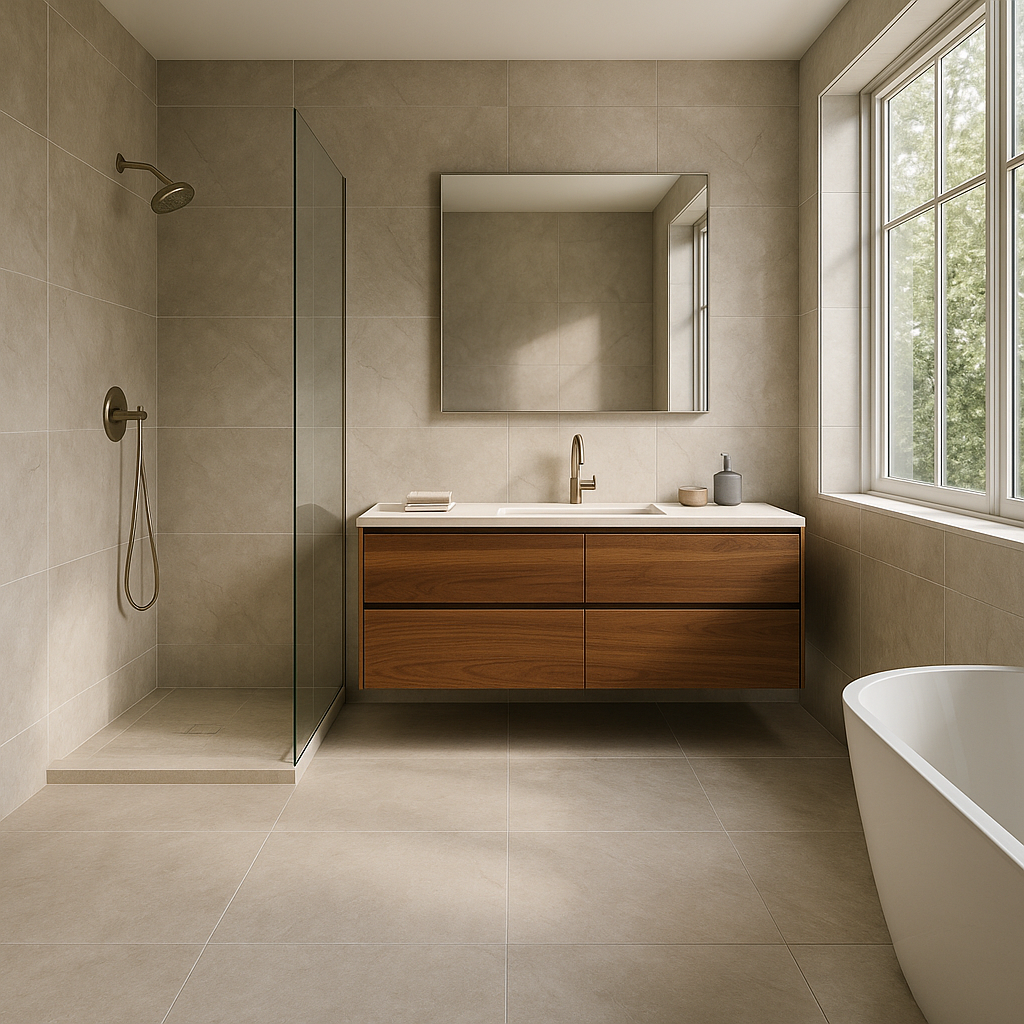

Understanding Tile Underlayment
Tile underlayment is a crucial component in any bathroom flooring project. It provides a stable base for your tiles, helps with moisture control, and enhances sound insulation. Choosing the right underlayment can significantly affect the longevity and performance of your tile floor.
Buying Guide for Tile Underlayment
When selecting tile underlayment for your bathroom floor, consider the following factors:
- Material: Common materials include cement board, foam, and membrane. Each has unique benefits, such as moisture resistance and thermal insulation.
- Thickness: The thickness of the underlayment can impact the overall height of your flooring. Ensure it aligns with your design plans.
- Moisture Resistance: Bathrooms are prone to humidity. Look for underlayment specifically designed to resist moisture.
- Sound Absorption: If noise is a concern, consider underlayment options that provide soundproofing benefits.
- Ease of Installation: Some products come with interlocking edges or adhesive backing, making installation simpler.
Installation Tips for Tile Underlayment
Proper installation of tile underlayment is essential for a successful flooring project. Follow these steps:
- Prepare the Subfloor: Ensure the subfloor is clean, dry, and level. Repair any damage before proceeding.
- Cut the Underlayment: Use a utility knife or saw to cut the underlayment to fit your space. Leave a small gap around the edges for expansion.
- Lay the Underlayment: Position the underlayment sheets or rolls in the desired area. Stagger the seams to enhance stability.
- Secure the Underlayment: Depending on the material, use screws, adhesive, or tape to secure the underlayment to the subfloor.
- Check for Level: After installation, use a level to ensure the surface is even before laying the tiles.
Maintenance Tips for Tile Underlayment
Maintaining your tile underlayment is vital for the longevity of your bathroom floor. Here are some tips:
- Regular Inspections: Periodically check for signs of moisture or damage. Address any issues immediately to prevent further problems.
- Keep it Clean: Clean the surface of the underlayment before installing tiles to ensure a good bond.
- Avoid Excessive Water: While underlayment can resist moisture, avoid excessive water exposure during cleaning.
- Follow Manufacturer Guidelines: Adhere to the maintenance recommendations provided by the underlayment manufacturer.
Frequently Asked Questions
1. What is tile underlayment?
Tile underlayment is a layer placed beneath tiles to provide support, moisture resistance, and sound insulation.
2. Do I need underlayment for tile in a bathroom?
Yes, underlayment is essential in bathrooms to protect against moisture and ensure a stable foundation for tiles.
3. Can I use regular plywood as underlayment?
No, regular plywood is not recommended for wet areas like bathrooms. Use materials specifically designed for tile underlayment.
4. How thick should tile underlayment be?
Thickness varies, but typically ranges from 1/4 inch to 1/2 inch. Choose based on your flooring requirements.
5. How do I know if my underlayment is installed correctly?
Check for an even surface and ensure it is securely fastened to the subfloor without any gaps.
Conclusion
Choosing the right tile underlayment is vital for a successful bathroom flooring project. By understanding the options available and following proper installation and maintenance tips, you can ensure a durable and beautiful finish. Explore our extensive range of tile and stone options to find the perfect fit for your bathroom.