
Understanding Travertine and Limestone
When it comes to natural stone tiles, travertine and limestone are two popular options among homeowners and contractors. Both materials offer unique aesthetics and durability, but they have distinct characteristics that may influence your choice.
Buying Guide: Travertine vs Limestone
Before making a purchase, consider the following factors:
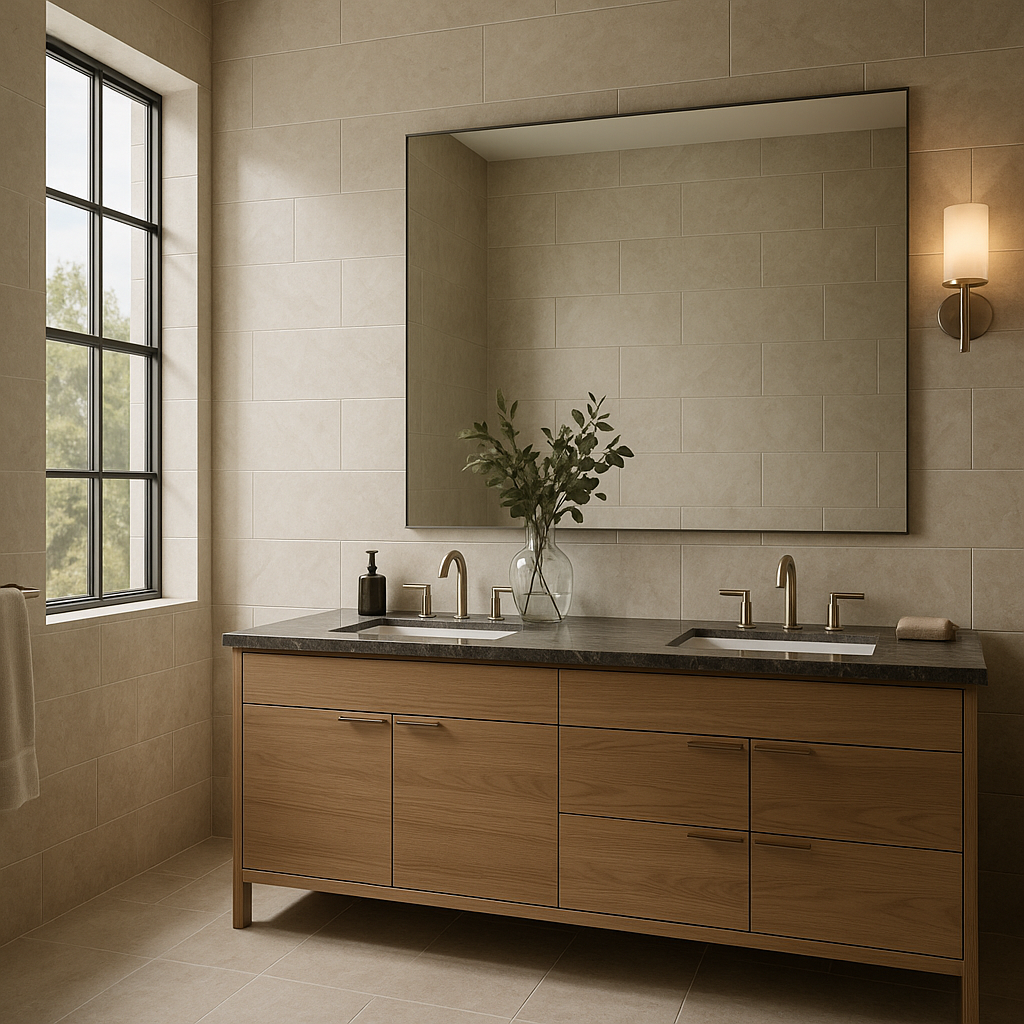
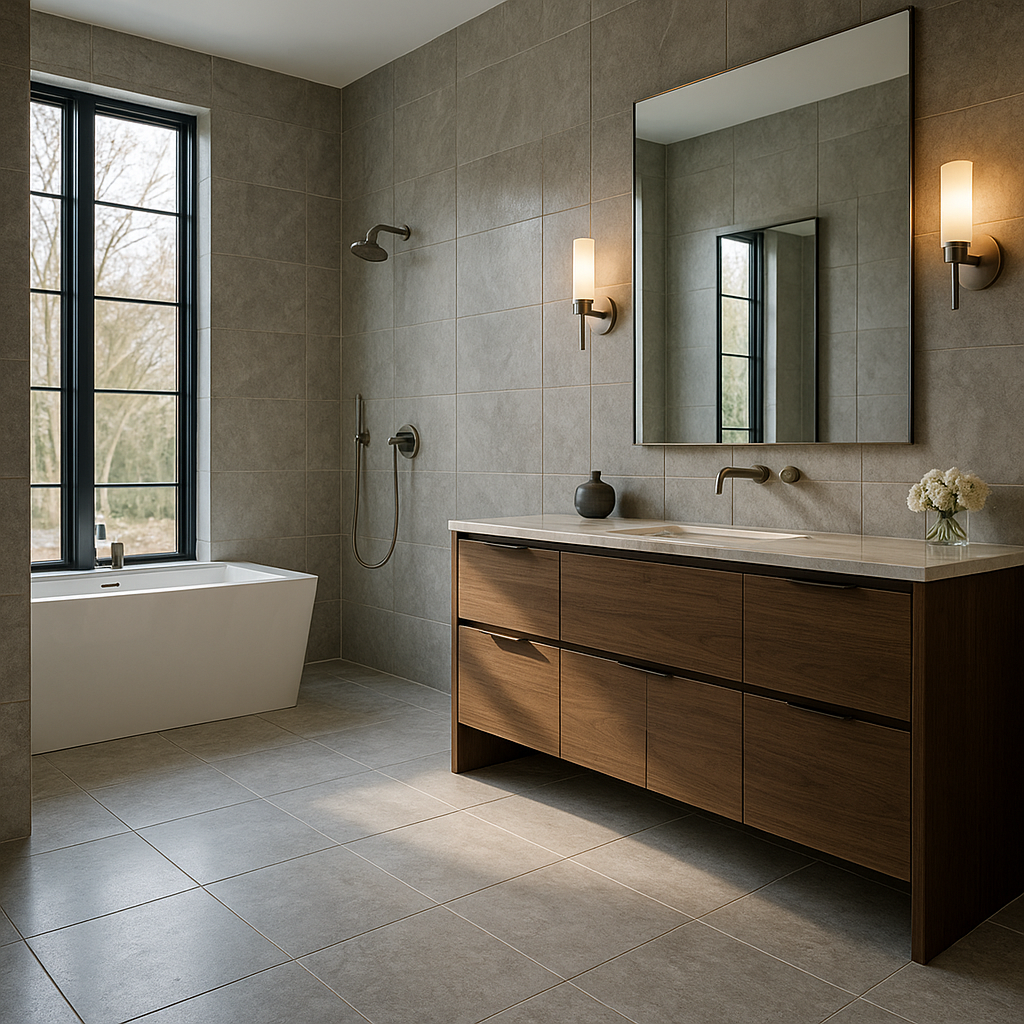
- Appearance: Travertine features a more varied texture with natural pits and holes, while limestone has a smoother, more uniform surface.
- Color Options: Travertine typically comes in earthy tones like beige, cream, and brown. Limestone offers a broader color palette, including grays, blues, and greens.
- Durability: Both stones are durable, but travertine is generally more resistant to wear and tear due to its denser structure.
- Cost: Prices can vary, but travertine tends to be slightly more expensive than limestone due to its extraction process.
- Location: Consider where the tile will be installed. Travertine is often preferred for outdoor spaces, while limestone is commonly used indoors.
Installation Tips for Travertine and Limestone
Proper installation is crucial for maximizing the lifespan of your tile. Here are some tips:
- Subfloor Preparation: Ensure the subfloor is clean, dry, and level. Any imperfections can lead to cracking.
- Use the Right Adhesive: Select a thin-set mortar suitable for natural stone. This ensures a strong bond.
- Grouting: Use a grout that complements the stone color. For travertine, consider using a sanded grout to fill the natural pits.
- Sealing: Both stones should be sealed after installation to protect against stains and moisture. Reapply the sealant every 1-3 years, depending on usage.
- Professional Help: If you’re unsure about DIY installation, hiring a professional can save time and ensure quality work.
Maintenance Tips for Travertine and Limestone
Maintaining your natural stone tiles is essential for longevity. Here are some maintenance tips:
- Regular Cleaning: Use a pH-neutral cleaner specifically designed for natural stone. Avoid acidic cleaners that can damage the surface.
- Address Stains Promptly: Clean spills immediately to prevent staining. For tougher stains, consider using a poultice.
- Reseal Periodically: As mentioned, resealing is important. Test the sealant’s effectiveness by sprinkling water on the surface; if it beads up, the seal is good.
- Avoid Heavy Objects: Be cautious with heavy furniture or appliances, as they can scratch or chip the tiles.
- Check for Damage: Regularly inspect your tiles for cracks or chips and address them quickly to prevent further damage.
FAQ: Travertine vs Limestone Tile
- 1. Is travertine more durable than limestone?
Yes, travertine is generally denser and more resistant to wear. - 2. Can I use limestone outdoors?
While some limestone can be used outdoors, travertine is often preferred due to its slip resistance. - 3. How do I clean travertine and limestone tiles?
Use a pH-neutral cleaner and avoid acidic products to prevent damage. - 4. How often should I seal my natural stone tiles?
Reseal every 1-3 years, depending on usage and exposure to moisture. - 5. Can I install these tiles myself?
Yes, but professional installation is recommended for best results, especially for larger areas.
Conclusion
Choosing between travertine and limestone tile depends on your specific needs and preferences. Both materials offer beauty and durability, making them excellent choices for various applications. For more options and to explore the best fit for your home, browse our extensive selection of tile and stone.