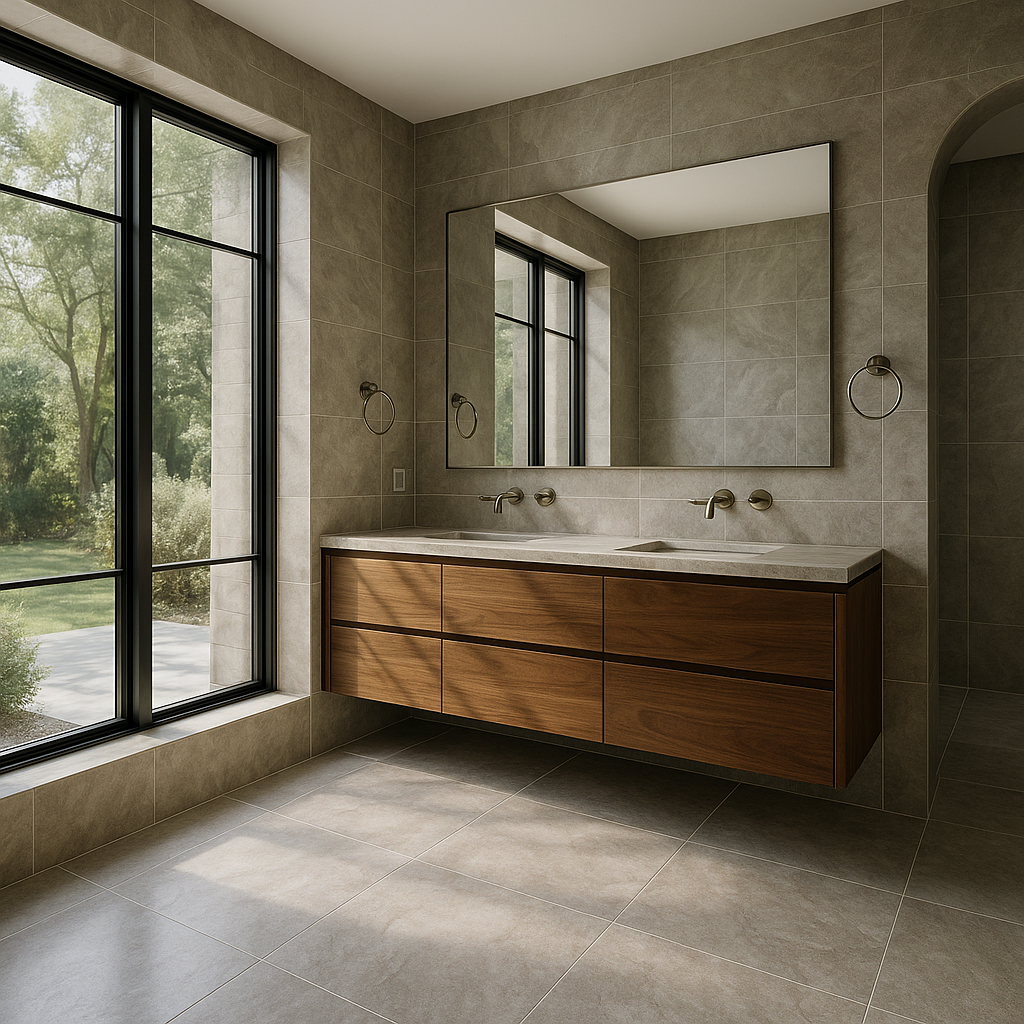

Understanding Ceramic and Porcelain Tiles
Ceramic and porcelain tiles are popular choices for flooring and wall applications in homes and commercial spaces. While both types of tiles are made from clay and fired at high temperatures, they have distinct properties that affect their durability, appearance, and suitability for various environments.
Durability Comparison
When it comes to durability, porcelain tiles generally outperform ceramic tiles. Here’s a breakdown of their differences:
- Water Absorption: Porcelain tiles have a lower water absorption rate (less than 0.5%) compared to ceramic tiles (up to 3%). This makes porcelain more suitable for wet areas like bathrooms and kitchens.
- Hardness: Porcelain tiles are denser and harder than ceramic tiles, making them more resistant to scratches, chips, and cracks.
- Fading: Porcelain tiles are less likely to fade over time due to their color being incorporated throughout the tile, while ceramic tiles often have a glaze that can wear off.
Buying Guide for Ceramic and Porcelain Tiles
When choosing between ceramic and porcelain tiles, consider the following factors:
- Location: For high-traffic areas or outdoor spaces, opt for porcelain due to its durability and water resistance.
- Style: Both tiles come in various designs, colors, and finishes. Choose one that complements your home’s aesthetic.
- Budget: Ceramic tiles are typically less expensive than porcelain. Assess your budget and the specific needs of your project.
Installation Tips
Proper installation is crucial for maximizing the durability of your tiles. Here are some tips:
- Subfloor Preparation: Ensure the subfloor is clean, dry, and level. Any imperfections can lead to cracking.
- Adhesive Selection: Use the appropriate adhesive for the type of tile. Porcelain tiles may require a thin-set mortar specifically designed for their density.
- Grouting: Choose a grout that matches the tile’s color and is suitable for the environment. Epoxy grout is recommended for wet areas due to its water resistance.
Maintenance Tips
Maintaining your tiles will help them last longer and look better. Follow these maintenance tips:
- Regular Cleaning: Sweep or vacuum regularly to remove dirt and debris. Use a damp mop with a mild detergent for deeper cleaning.
- Sealant: While porcelain tiles are generally low-maintenance, applying a sealant can help protect grout lines and enhance durability.
- Addressing Damage: If you notice chips or cracks, address them promptly to prevent further damage. Replace damaged tiles as needed.
FAQ
1. What is the main difference between ceramic and porcelain tiles?
Ceramic tiles are made from red or white clay and fired at lower temperatures, while porcelain tiles are made from finer clay and fired at higher temperatures, making them denser and more durable.
2. Can I use ceramic tiles in wet areas?
While ceramic tiles can be used in wet areas, porcelain tiles are recommended due to their lower water absorption rate and higher durability.
3. Are porcelain tiles more expensive than ceramic tiles?
Yes, porcelain tiles are generally more expensive due to their durability and manufacturing process.
4. How do I clean ceramic and porcelain tiles?
Regular sweeping or vacuuming, followed by mopping with a mild detergent, is recommended for both types of tiles.
5. Can I install tiles myself?
While DIY installation is possible, hiring a professional can ensure proper installation and avoid potential issues.
Conclusion
Choosing between ceramic and porcelain tiles depends on your specific needs and preferences. For durability and water resistance, porcelain is often the better choice. Explore our wide range of tile and stone options to find the perfect fit for your home.