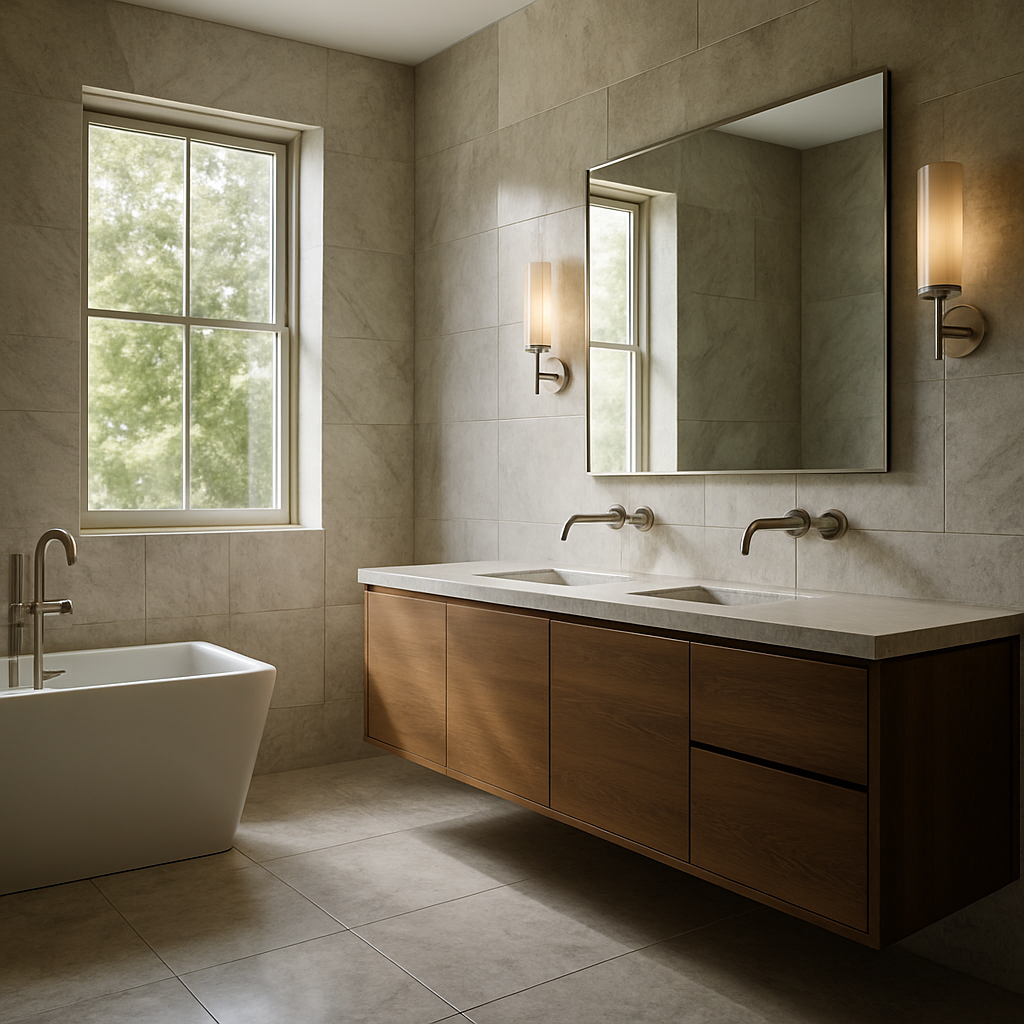

Understanding Waterproof Membranes
A waterproof membrane is a crucial component in tile installation, especially in areas exposed to moisture, such as bathrooms and kitchens. These membranes act as a barrier, preventing water from seeping through the tile and into the substrate, which can lead to mold, mildew, and structural damage.
Buying Guide: Choosing the Right Waterproof Membrane
When selecting a waterproof membrane for your tile project, consider the following factors:
- Type of Membrane: There are two main types: sheet membranes and liquid membranes. Sheet membranes are pre-fabricated and easy to install, while liquid membranes are applied with a roller or brush and can conform to irregular shapes.
- Thickness: Thicker membranes generally provide better protection but may be more challenging to install. Assess your project needs to find the right balance.
- Compatibility: Ensure the membrane is compatible with the type of tile and adhesive you plan to use. Some membranes are specifically designed for certain materials.
- Cost: Prices can vary significantly based on type and brand. Set a budget but remember that investing in quality can save you money in the long run by preventing water damage.
- Manufacturer’s Warranty: Look for products that come with a warranty, which can provide peace of mind regarding performance and durability.
Installation Tips for Waterproof Membranes
Proper installation is key to ensuring the effectiveness of your waterproof membrane. Follow these tips for a successful application:
- Surface Preparation: Clean the surface thoroughly to remove dust, debris, and any contaminants. A smooth, dry surface is essential for optimal adhesion.
- Follow Manufacturer Instructions: Each product may have specific installation guidelines. Always read and adhere to these instructions for the best results.
- Overlap Seams: If using sheet membranes, ensure that seams overlap by at least 2 inches to prevent water penetration. Use appropriate tape or adhesive to seal the seams securely.
- Apply Evenly: For liquid membranes, apply an even coat to avoid thin spots. Use a roller or brush to ensure complete coverage, and allow adequate drying time between coats.
- Test for Leaks: After installation, conduct a water test to ensure there are no leaks. This can save you from costly repairs down the line.
Maintenance Tips for Waterproof Membranes
Maintaining your waterproof membrane is essential for its longevity and effectiveness. Here are some tips:
- Regular Inspections: Periodically check the membrane for any signs of wear or damage, especially in high-moisture areas.
- Clean Carefully: Use gentle cleaning products to avoid damaging the membrane. Harsh chemicals can degrade the material over time.
- Address Issues Promptly: If you notice any leaks or damage, address them immediately to prevent further problems.
- Keep Grout Sealed: Ensure that the grout between your tiles is properly sealed to prevent moisture from penetrating through the joints.
- Follow Up on Warranty: Keep documentation of your installation and any maintenance performed to ensure you can take advantage of any warranties offered by the manufacturer.
Frequently Asked Questions (FAQ)
- What is the purpose of a waterproof membrane?
A waterproof membrane prevents water from penetrating the substrate beneath the tile, protecting against mold and structural damage. - Can I install a waterproof membrane myself?
Yes, many homeowners can install a waterproof membrane with proper preparation and following manufacturer instructions. - How long does a waterproof membrane last?
With proper installation and maintenance, a waterproof membrane can last for many years, often matching the lifespan of the tile itself. - Do I need a waterproof membrane for all tile installations?
No, a waterproof membrane is essential in wet areas like bathrooms and kitchens but may not be necessary in dry areas. - What should I do if I find a leak?
Address leaks immediately by repairing the membrane and checking for any damage to the tile or substrate.
Conclusion
Investing in a quality waterproof membrane is essential for protecting your tile installations from moisture damage. By following the buying guide, installation tips, and maintenance advice provided, you can ensure a long-lasting and effective barrier against water. Explore our wide range of tile and stone options to find the perfect match for your next project!