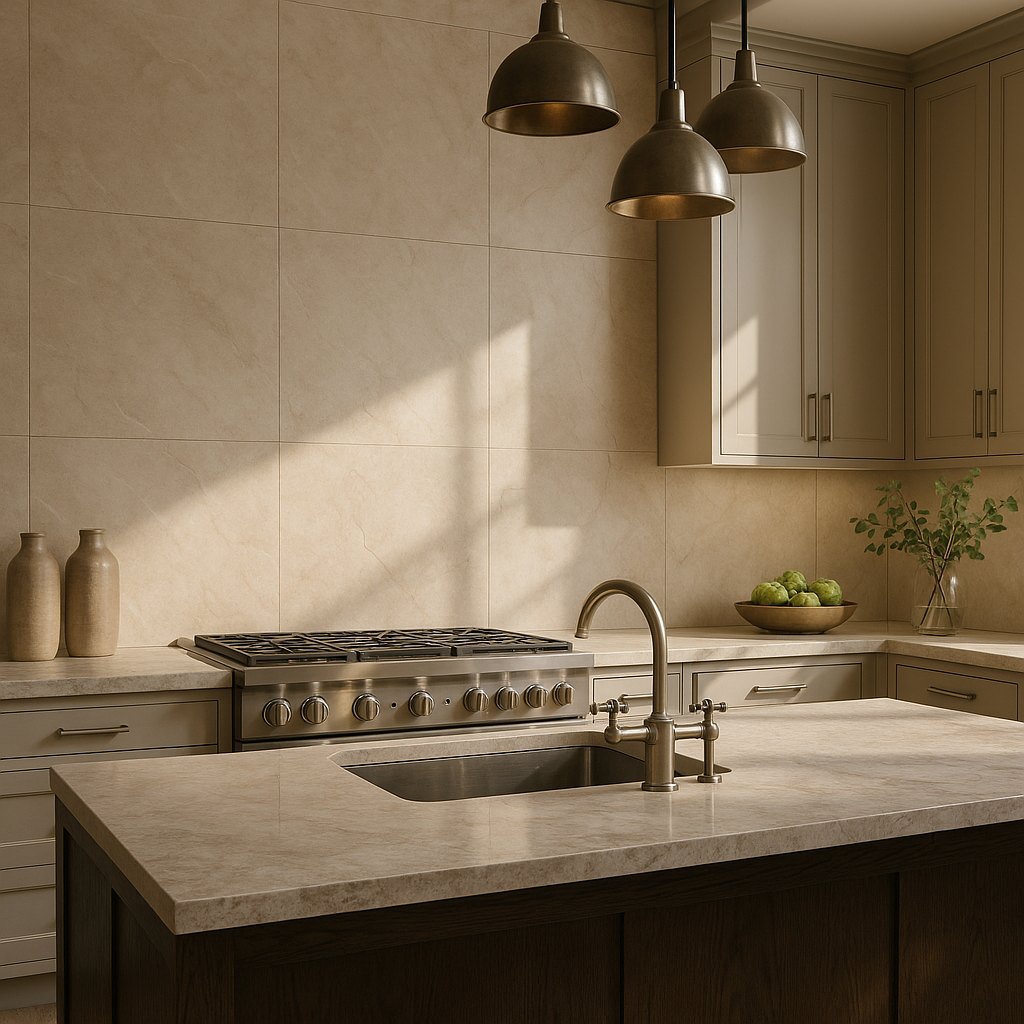

Introduction
Your kitchen backsplash is not just a functional element; it’s an opportunity to showcase your style and enhance your space. Choosing the right tile can make a significant difference in the overall look and feel of your kitchen. In this guide, we’ll explore the best tiles for kitchen backsplashes, along with buying tips, installation advice, and maintenance guidelines.
Buying Guide for Kitchen Backsplash Tiles
When selecting the best tile for your kitchen backsplash, consider the following factors:
- Material: Popular materials include ceramic, porcelain, glass, and natural stone. Each offers unique aesthetic and durability characteristics.
- Color and Design: Choose colors and patterns that complement your kitchen’s overall design. Neutral tones can create a classic look, while bold colors can add a pop of personality.
- Size and Shape: Tiles come in various sizes and shapes. Subway tiles are a timeless choice, while mosaic tiles can add texture and interest.
- Finish: Consider glossy finishes for a sleek look or matte finishes for a more rustic feel. Glossy tiles are easier to clean but may show fingerprints more easily.
- Budget: Prices can vary widely based on material and design. Set a budget beforehand to narrow down your options.
Top Tile Options for Kitchen Backsplashes
Here are some of the best tile options to consider:
- Ceramic Tiles: Affordable and available in countless designs, ceramic tiles are durable and easy to clean.
- Porcelain Tiles: Denser and more water-resistant than ceramic, porcelain tiles are perfect for high-traffic areas.
- Glass Tiles: These tiles reflect light beautifully and can make your kitchen feel more spacious. They are available in various colors and sizes.
- Natural Stone Tiles: Options like marble, granite, or slate add a luxurious touch. However, they require more maintenance to keep them looking great.
- Subway Tiles: Classic and versatile, subway tiles can be arranged in various patterns to create a unique look.
Installation Tips for Kitchen Backsplash Tiles
Installing a backsplash can be a DIY project if you’re handy, but here are some tips to ensure a successful installation:
- Preparation: Clean the wall surface thoroughly and ensure it’s dry. Measure the area to determine how many tiles you need.
- Layout: Before applying adhesive, lay out the tiles on the counter to visualize the design and make adjustments as needed.
- Adhesive: Use the appropriate adhesive for your tile type. Thin-set mortar is commonly used for ceramic and porcelain tiles, while mastic is suitable for lighter tiles.
- Grouting: Allow the adhesive to set before grouting. Choose a grout color that complements your tiles, and apply it evenly with a grout float.
- Sealing: If you’re using natural stone tiles, apply a sealer after grouting to protect against stains and moisture.
Maintenance Tips for Kitchen Backsplash Tiles
Maintaining your kitchen backsplash is vital for its longevity and appearance:
- Regular Cleaning: Wipe down the backsplash with a damp cloth and mild detergent regularly to prevent buildup of grease and grime.
- Stain Removal: For tougher stains, use a mixture of baking soda and water to create a paste. Apply it to the stain, let it sit, and then scrub gently.
- Sealing: Reapply sealer to natural stone tiles every year or as recommended to maintain their protective barrier.
- Avoid Abrasives: Steer clear of harsh chemicals and abrasive scrubbers, as they can damage the tile finish.
- Check for Damage: Regularly inspect the grout and tiles for any damage. Promptly repair any cracks or chips to prevent further issues.
FAQs About Kitchen Backsplash Tiles
Here are some common questions and answers about kitchen backsplash tiles:
- What is the best tile material for a kitchen backsplash? Ceramic and porcelain tiles are popular choices due to their durability and ease of cleaning.
- Can I install a backsplash myself? Yes, with the right tools and preparation, a backsplash can be a DIY project.
- How do I clean my tile backsplash? Use a damp cloth with mild detergent for regular cleaning. Avoid harsh chemicals.
- Do I need to seal my backsplash tiles? Natural stone tiles require sealing, while ceramic and porcelain typically do not.
- What grout should I use for my backsplash? Choose a grout that complements your tile color and is suitable for the tile material.
Conclusion
Your kitchen backsplash can be a stunning focal point that enhances your space’s functionality and aesthetics. With the right tile choice, installation, and maintenance, you can create a beautiful kitchen that reflects your style. Browse our extensive selection of tile and stone options to find the perfect fit for your kitchen!