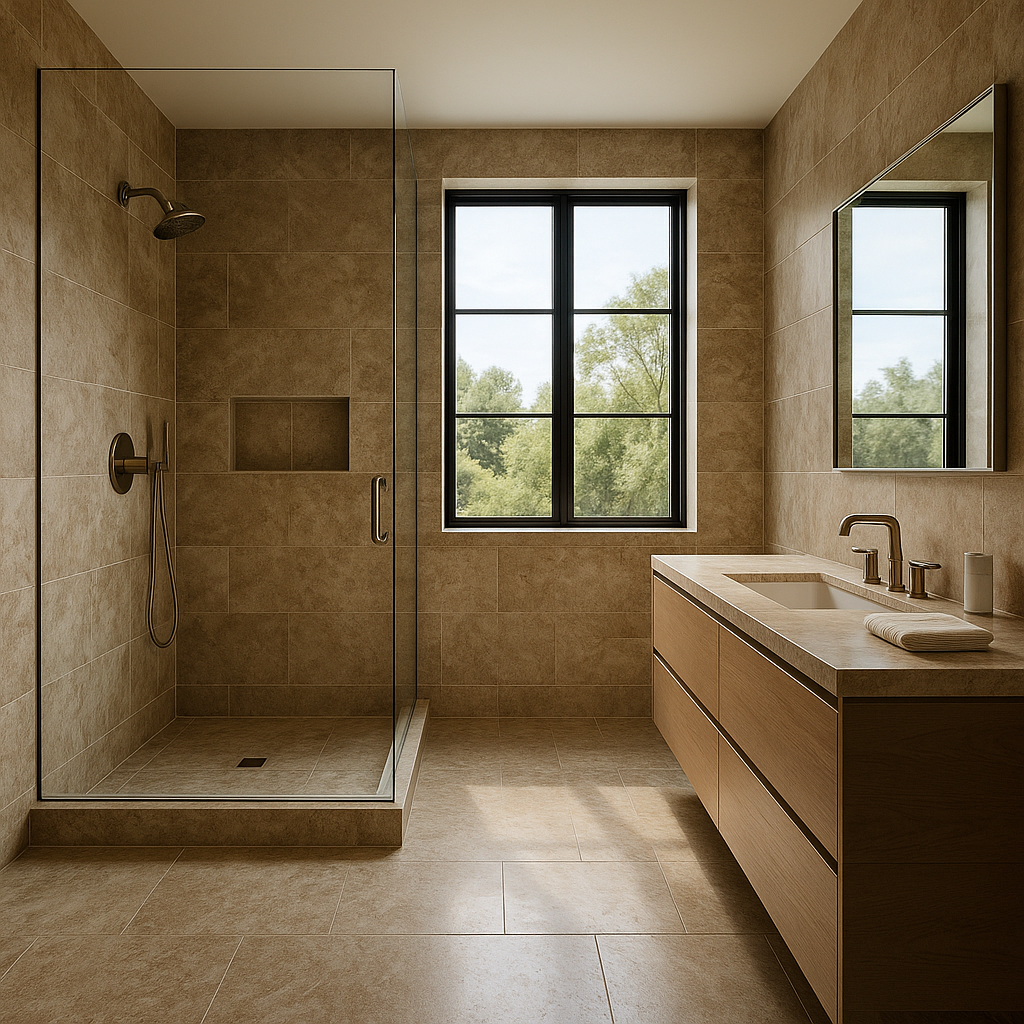

Introduction to Travertine
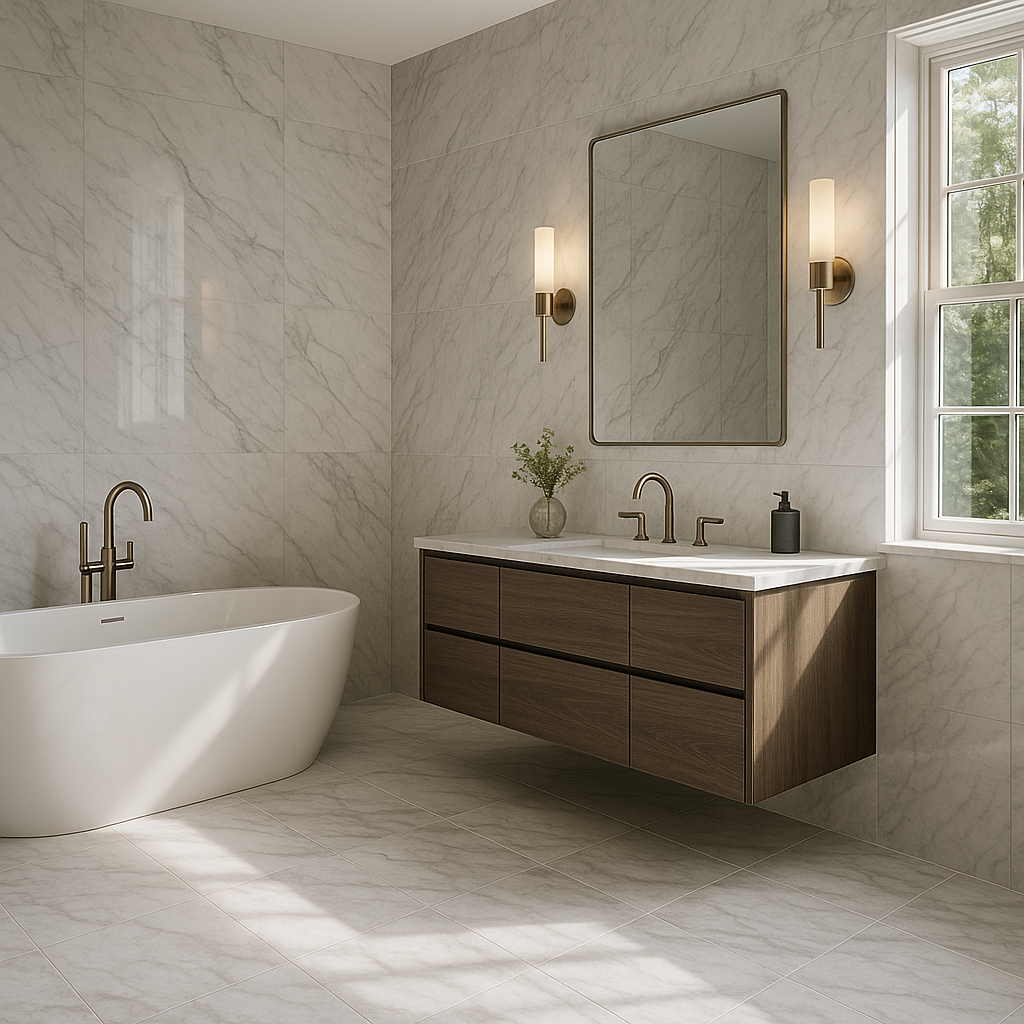
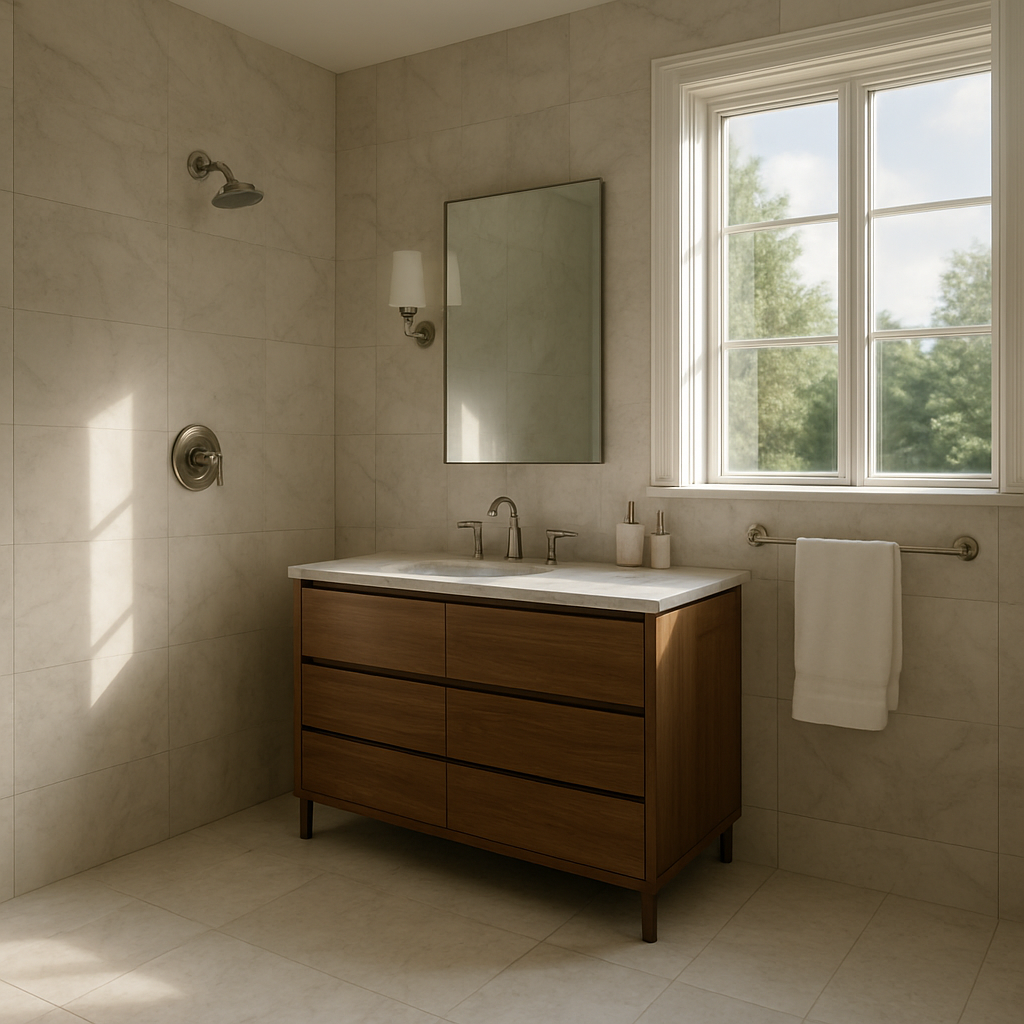
Travertine is a natural stone that has gained popularity in home design, especially in bathrooms. Known for its unique textures and earthy tones, it can add a touch of elegance to any shower. But is travertine a good choice for showers? Let’s explore its benefits, installation tips, and maintenance requirements.
Benefits of Using Travertine in Showers
Travertine offers several advantages for shower installations:
- Aesthetic Appeal: Its natural beauty and variety of colors can complement various design styles.
- Durability: Travertine is a strong stone that can withstand moisture and wear, making it suitable for wet environments.
- Slip Resistance: The textured surface of travertine provides a natural grip, reducing the risk of slips.
- Heat Resistance: Travertine remains cool to the touch, making it comfortable underfoot in warm climates.
Buying Guide for Travertine Showers
When considering travertine for your shower, keep the following factors in mind:
- Quality: Look for high-quality travertine that is dense and has minimal voids. This will ensure better durability and resistance to moisture.
- Finish: Choose a finish that suits your needs. Honed finishes are less slippery, while polished finishes offer a glossy look but can be slippery when wet.
- Thickness: Thicker tiles (1 inch or more) are generally more durable and suitable for shower walls.
- Color and Texture: Select a color and texture that aligns with your overall bathroom design. Lighter colors can make a small space feel larger.
Installation Tips for Travertine Showers
Proper installation is crucial for the longevity of your travertine shower. Here are some tips:
- Substrate Preparation: Ensure the wall is waterproofed and properly leveled before installation. A cement backer board is recommended.
- Use the Right Adhesive: Choose a thin-set mortar that is suitable for natural stone. Avoid using premixed adhesives as they may not provide a strong bond.
- Grouting: Use a sanded grout for larger joints to prevent cracking. Seal the grout after it has cured to protect against moisture.
- Sealing: Travertine is porous, so sealing it before and after installation is essential to prevent water damage and staining.
Maintenance Tips for Travertine Showers
To keep your travertine shower looking its best, follow these maintenance tips:
- Regular Cleaning: Use a pH-neutral cleaner specifically designed for natural stone. Avoid acidic cleaners that can damage the surface.
- Drying: After each use, wipe down the tiles to remove excess moisture. This helps prevent mold and mildew growth.
- Resealing: Reseal your travertine every 6-12 months, depending on usage, to maintain its protective barrier.
- Addressing Stains: For stains, use a poultice made from baking soda and water. Apply it to the stain, cover it, and let it sit for 24 hours before rinsing.
Frequently Asked Questions (FAQ)
1. Is travertine suitable for wet areas?
Yes, travertine is suitable for wet areas like showers due to its durability and slip resistance.
2. How do I clean travertine shower tiles?
Use a pH-neutral cleaner and a soft cloth or sponge to avoid scratching the surface.
3. Does travertine need to be sealed?
Yes, sealing is recommended to protect against moisture and staining.
4. Can I install travertine tiles myself?
While DIY installation is possible, hiring a professional is advisable for best results, especially in wet areas.
5. What colors does travertine come in?
Travertine is available in various colors, including beige, cream, gold, and even darker shades, allowing for versatile design options.
Conclusion
Travertine can be an excellent choice for showers, offering beauty and durability when properly installed and maintained. If you’re considering upgrading your bathroom, browse our selection of tile and stone options to find the perfect fit for your style and needs.