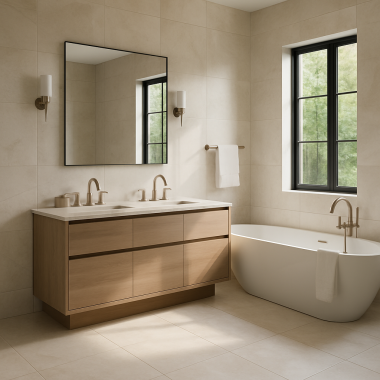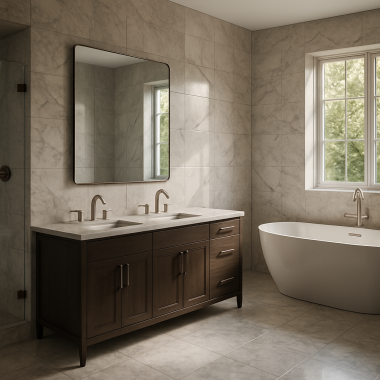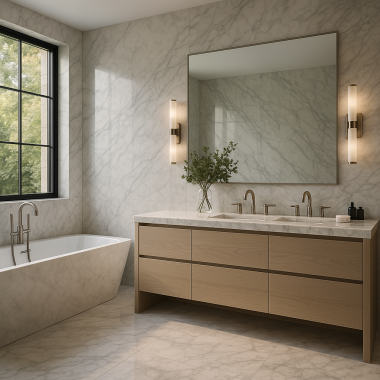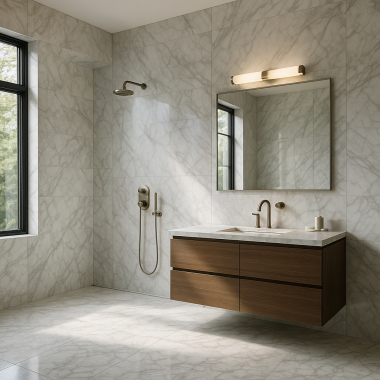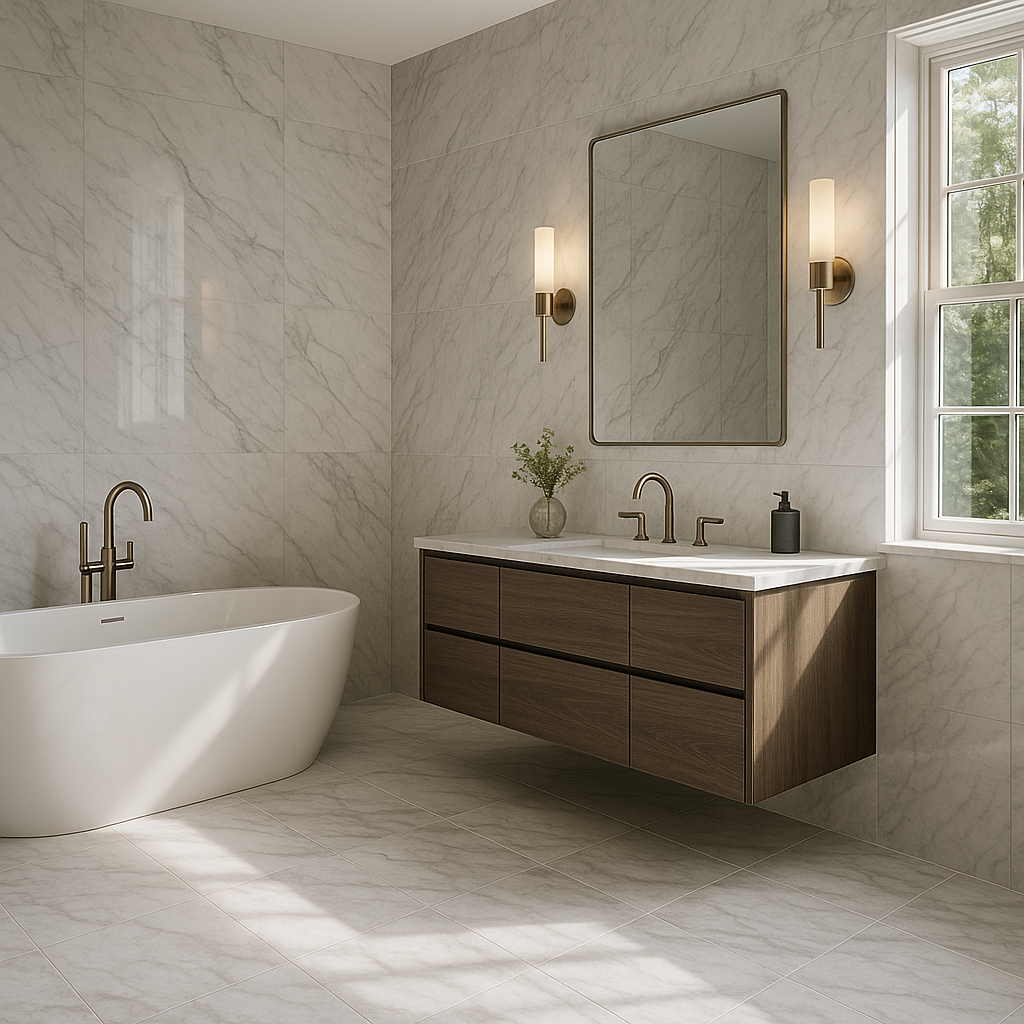

Introduction
When it comes to bathroom flooring and wall options, marble and porcelain tiles are two popular choices among homeowners and contractors. Each material offers unique benefits and aesthetic appeal, making the decision challenging. In this article, we will compare marble and porcelain tiles, providing a comprehensive buying guide, installation tips, and maintenance advice.
Marble Tile: An Overview
Marble is a natural stone known for its elegance and timeless beauty. It comes in various colors and veining patterns, making each tile unique. However, marble can be porous and may require more maintenance compared to porcelain.
Porcelain Tile: An Overview
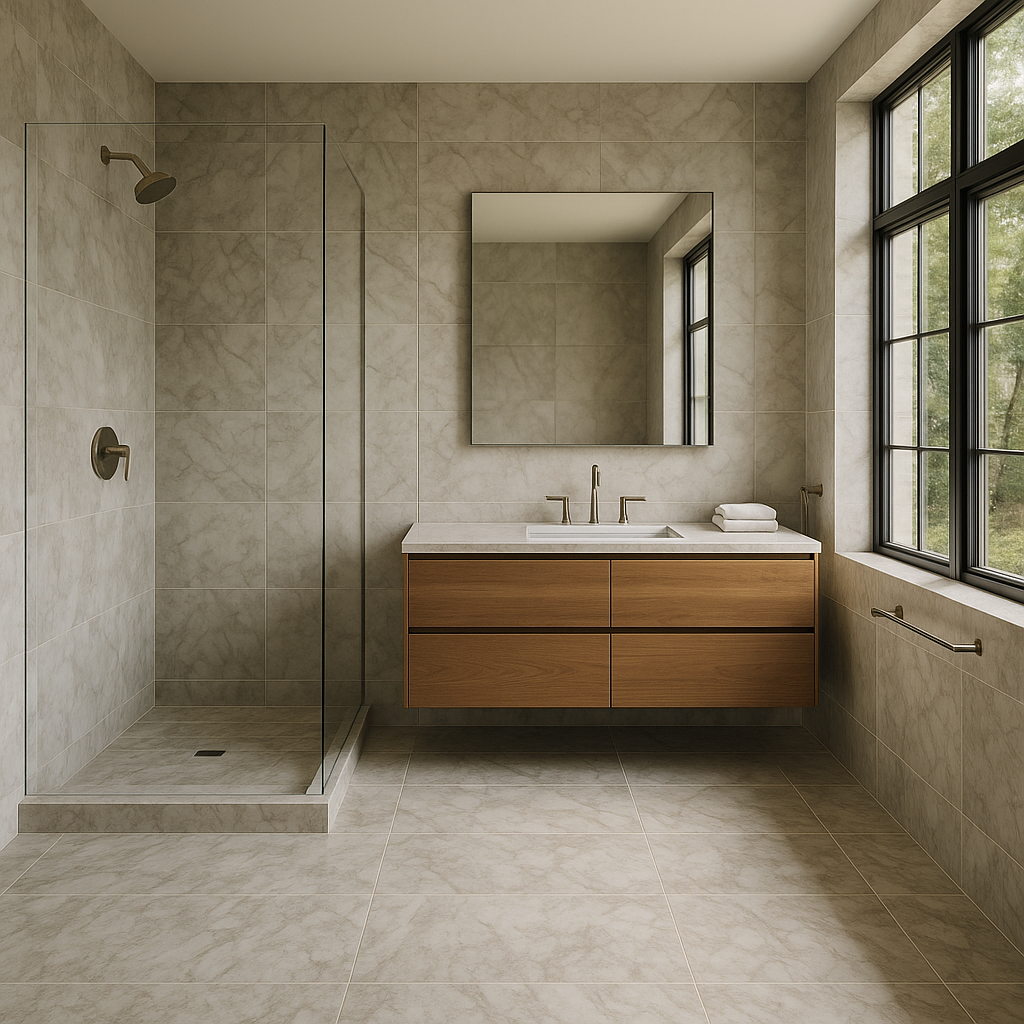
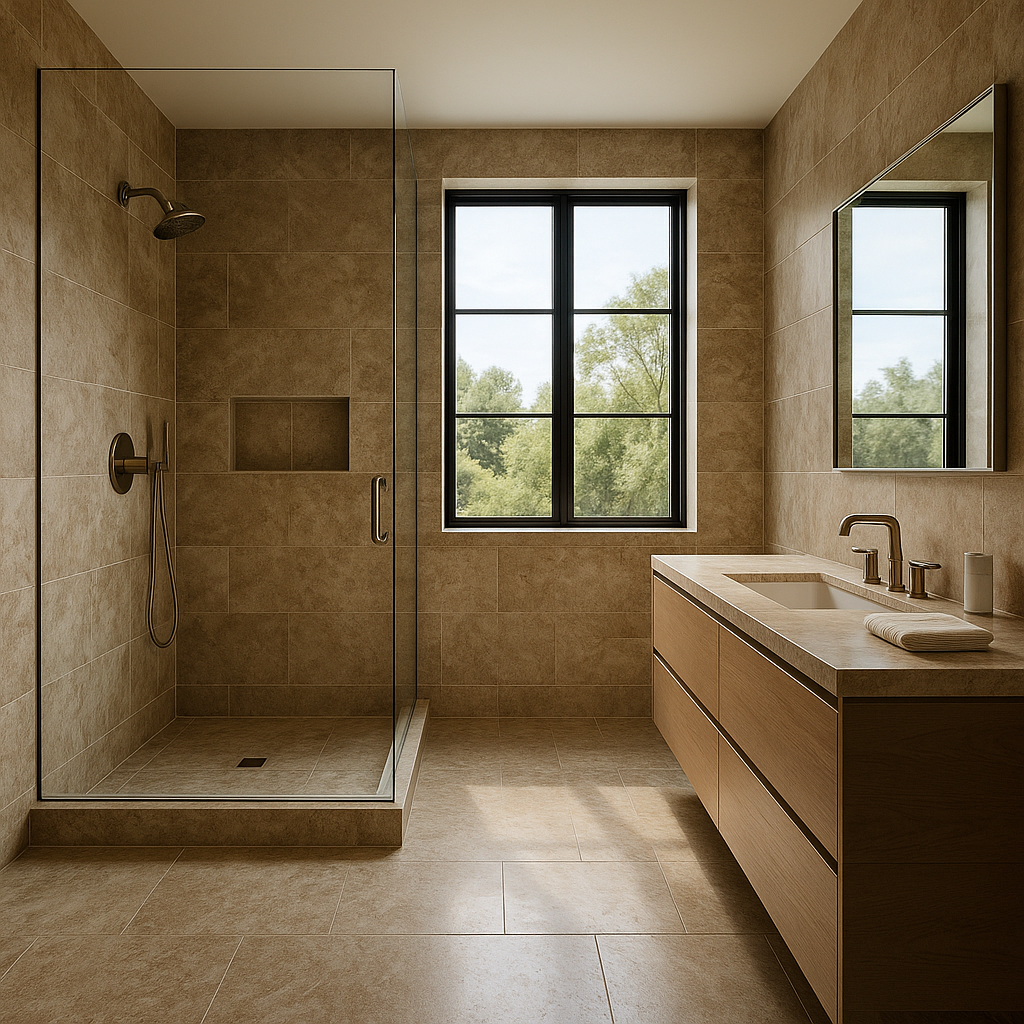
Porcelain tile is a type of ceramic tile that is denser and less porous than traditional ceramic tiles. It is available in a wide range of designs, including options that mimic the look of natural stone. Porcelain is known for its durability and resistance to moisture, making it an excellent choice for bathrooms.
Buying Guide
When choosing between marble and porcelain tiles for your bathroom, consider the following factors:
- Budget: Marble tends to be more expensive than porcelain. Consider your budget before making a decision.
- Style: Think about the overall aesthetic of your bathroom. Marble offers a classic look, while porcelain can provide a modern touch.
- Durability: Porcelain is generally more durable and resistant to scratches and stains than marble.
- Maintenance: Marble requires regular sealing to prevent staining, while porcelain is easier to maintain.
- Installation: Both materials can be installed by professionals or experienced DIYers, but marble may require more specialized skills.
Installation Tips
Proper installation is crucial for both marble and porcelain tiles. Here are some tips to ensure a successful installation:
- Prepare the Surface: Ensure the subfloor is clean, dry, and level. Any imperfections can affect the tile installation.
- Use the Right Adhesive: For marble, use a thin-set mortar specifically designed for natural stone. For porcelain, a standard thin-set mortar will suffice.
- Plan Your Layout: Before starting, lay out your tiles to visualize the final design. This helps avoid awkward cuts and ensures a balanced look.
- Allow for Expansion: Leave a small gap around the edges of the tiles to allow for expansion and contraction.
- Grouting: Choose a grout that complements your tile choice. For marble, consider using an unsanded grout to avoid scratching the surface.
Maintenance Tips
Maintaining your bathroom tiles is essential for longevity and appearance. Here are some maintenance tips for both marble and porcelain:
- Cleaning: Use a pH-neutral cleaner for both marble and porcelain. Avoid acidic or abrasive cleaners that can damage the surface.
- Sealing: Marble should be sealed every 6-12 months to prevent staining. Porcelain does not require sealing but should still be cleaned regularly.
- Addressing Grout: Keep grout lines clean and consider applying a grout sealer to prevent staining.
- Preventing Damage: Use mats in high-traffic areas to minimize wear and tear on your tiles.
- Regular Inspections: Check for any cracks or damage and address them promptly to avoid further issues.
FAQ
1. Is marble tile slippery when wet?
Yes, marble can be slippery when wet. Consider using a textured finish or adding anti-slip treatments.
2. Can porcelain tile look like marble?
Yes, many porcelain tiles are designed to mimic the look of marble, offering a similar aesthetic with added durability.
3. How long does marble tile last?
With proper care, marble tile can last for decades, but it may require more maintenance than porcelain.
4. Is porcelain tile more affordable than marble?
Generally, porcelain tile is more affordable than marble, making it a popular choice for budget-conscious homeowners.
5. Can I install marble or porcelain tile myself?
Yes, if you have experience, you can install both types of tile yourself. However, hiring a professional is recommended for best results.
Conclusion
Choosing between marble and porcelain tile for your bathroom depends on your style preferences, budget, and maintenance willingness. Both materials offer unique benefits that can enhance your space. For a wide variety of tile and stone options, consider browsing our collection to find the perfect fit for your bathroom.