
Introduction
When it comes to flooring and wall coverings, homeowners and contractors often face the choice between natural stone and ceramic tile. Both materials offer unique benefits and aesthetic appeal, but understanding their differences can help you make an informed decision.
Natural Stone vs Ceramic Tile: An Overview
Natural stone, such as granite, marble, and slate, is quarried directly from the earth and showcases unique patterns and colors. Ceramic tile, on the other hand, is man-made from clay and other natural materials, then fired at high temperatures. Each option has its pros and cons, which we will explore in detail.
Buying Guide
When selecting between natural stone and ceramic tile, consider the following factors:
- Cost: Natural stone tends to be more expensive due to quarrying and processing costs. Ceramic tile is generally more budget-friendly.
- Durability: Natural stone is incredibly durable but can be prone to scratching and staining. Ceramic tile is also durable, especially porcelain varieties, but can chip if heavy objects are dropped.
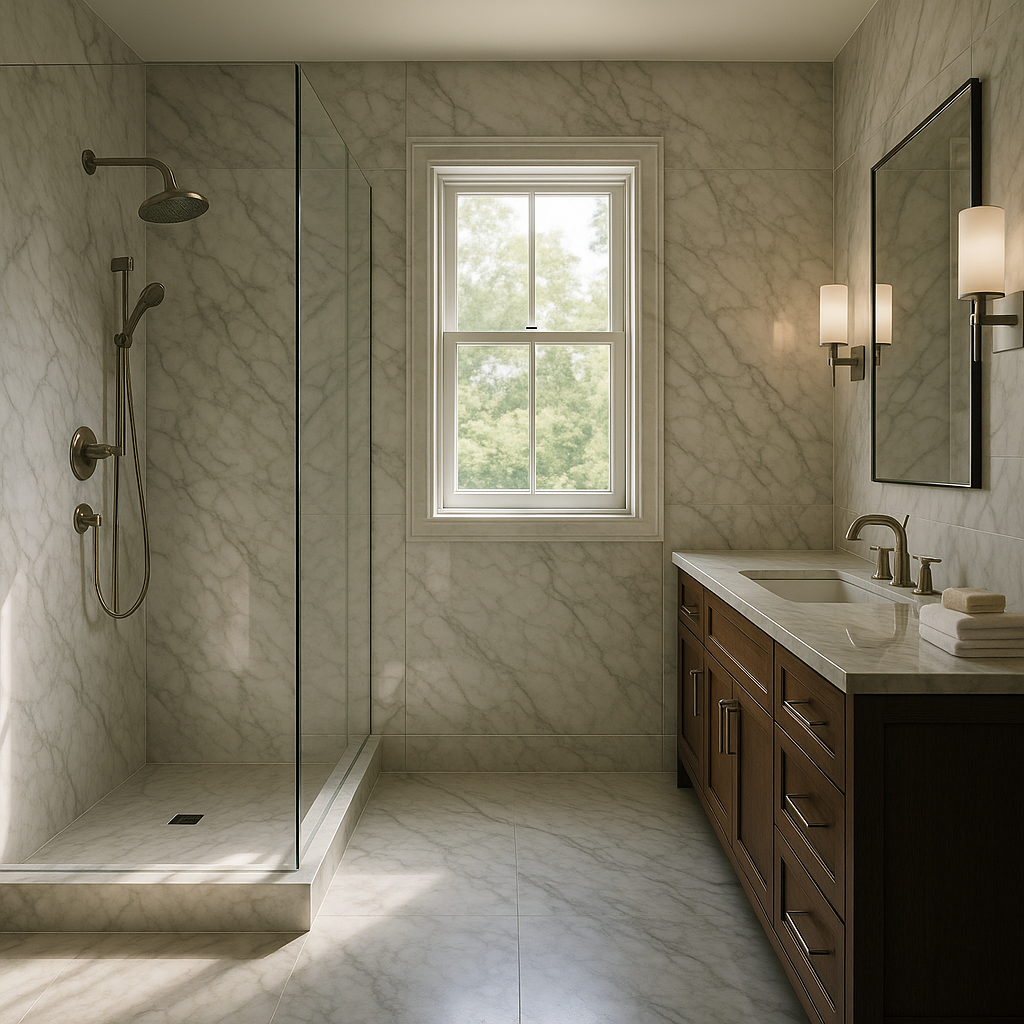
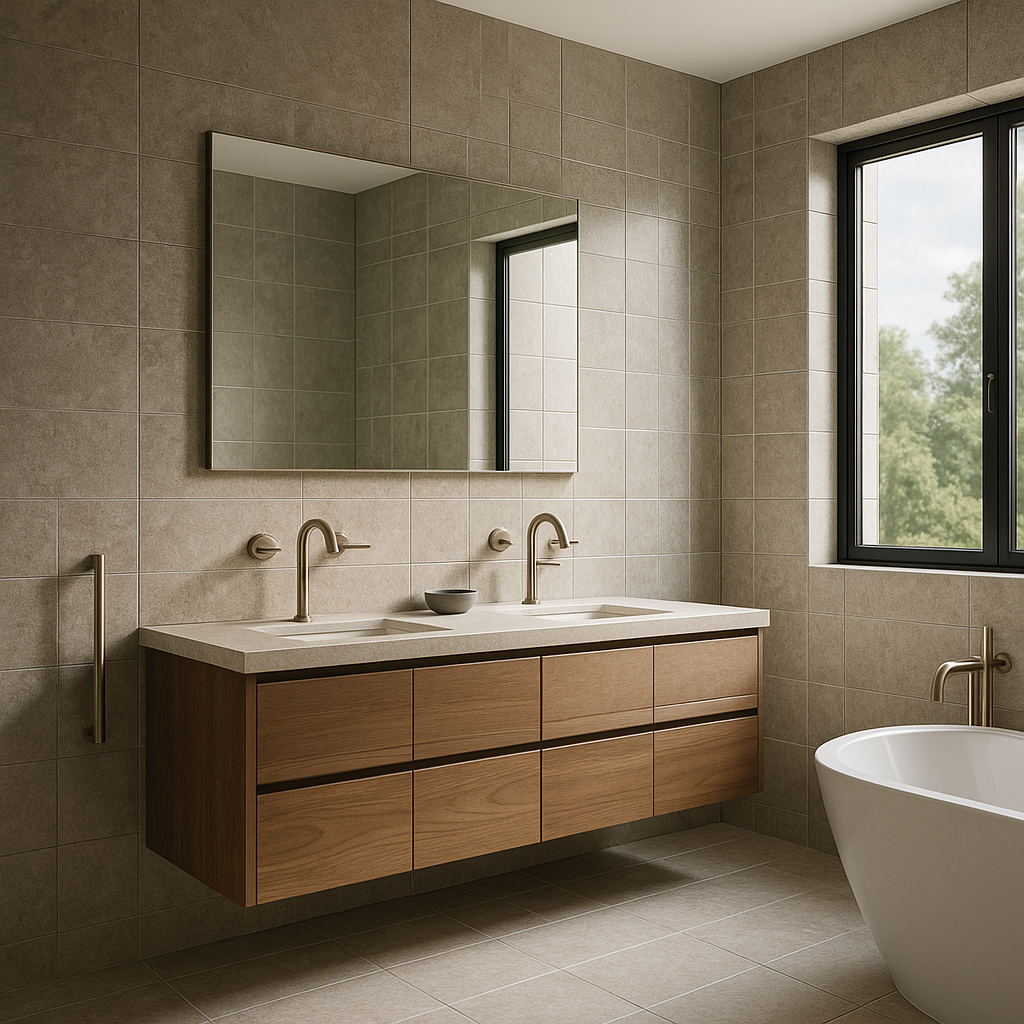
- Aesthetic Appeal: Natural stone offers a unique, luxurious look with variations in color and texture. Ceramic tile comes in a wide range of designs, including options that mimic stone.
- Installation: Natural stone requires professional installation due to its weight and the need for precise cutting. Ceramic tile can be a DIY project for those with some experience.
- Environmental Impact: Natural stone is a natural product, while ceramic tile can be made from sustainable materials, but the production process may have a higher carbon footprint.
Installation Tips
Proper installation is crucial for both natural stone and ceramic tile to ensure longevity and performance. Here are some tips for each:
Natural Stone Installation
- Surface Preparation: Ensure the subfloor is clean, dry, and level. Any imperfections can affect the stone’s performance.
- Use the Right Adhesive: A high-quality thin-set mortar specifically designed for natural stone is essential.
- Grouting: Use a grout that complements the stone. Epoxy grout is recommended for its stain resistance.
- Sealing: Most natural stones require sealing to protect against stains and moisture absorption. Follow the manufacturer’s recommendations.
Ceramic Tile Installation
- Layout Planning: Before starting, plan your layout to minimize cuts and ensure a balanced look.
- Use a Level: Check that the surface is level to avoid lippage (uneven edges) between tiles.
- Grouting: Choose a grout that matches your tile color and ensure proper application to prevent cracking.
- Allow for Expansion: Leave a small gap around the perimeter for expansion, especially in larger areas.
Maintenance Tips
Maintaining your flooring is key to preserving its beauty and functionality. Here are some maintenance tips for both materials:
Natural Stone Maintenance
- Regular Cleaning: Use a pH-neutral cleaner specifically formulated for stone. Avoid acidic cleaners that can etch the surface.
- Sealing: Reapply sealant every 1-3 years, depending on the type of stone and usage.
- Immediate Spill Cleanup: Wipe up spills immediately to prevent staining, especially with porous stones.
Ceramic Tile Maintenance
- Routine Cleaning: Regular sweeping and mopping with a mild detergent will keep tiles looking fresh.
- Grout Care: Clean grout lines with a mixture of baking soda and water to prevent discoloration.
- Address Chips Promptly: Repair any chips or cracks immediately to prevent further damage.
FAQ
1. Which is more durable, natural stone or ceramic tile?
Both materials are durable, but natural stone can be more susceptible to scratching and staining, while ceramic tile is less prone to damage from heavy impacts.
2. Is natural stone more expensive than ceramic tile?
Yes, natural stone typically costs more due to quarrying and processing, while ceramic tile is often more budget-friendly.
3. Can I install natural stone myself?
It’s recommended to hire a professional for natural stone installation due to its weight and complexity.
4. How often should I seal natural stone?
Most natural stones should be sealed every 1-3 years, depending on usage and the type of stone.
5. Are there eco-friendly options for ceramic tile?
Yes, many manufacturers offer ceramic tiles made from recycled materials or sustainable processes.
Conclusion
Choosing between natural stone and ceramic tile depends on your specific needs, budget, and aesthetic preferences. Both materials offer unique benefits and can enhance the beauty of your home. Explore our extensive range of tile and stone options to find the perfect fit for your project.