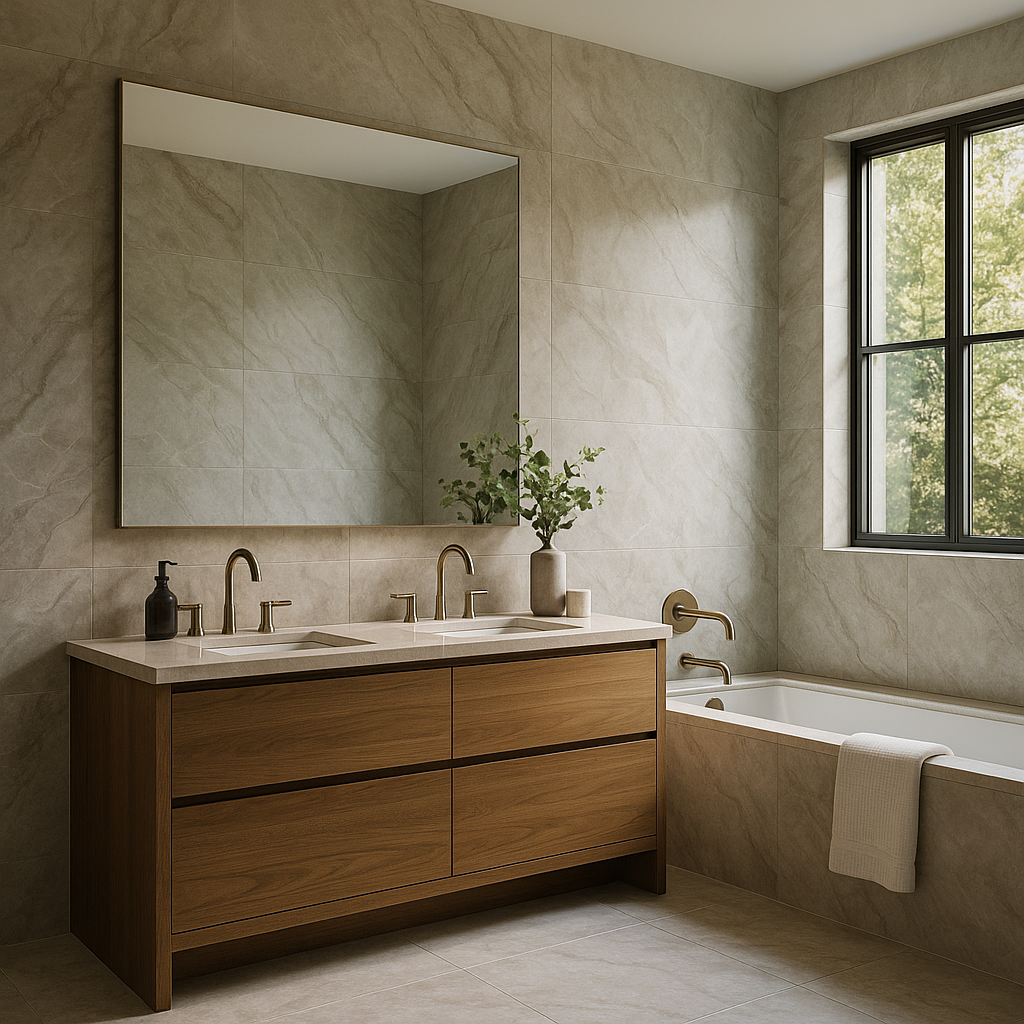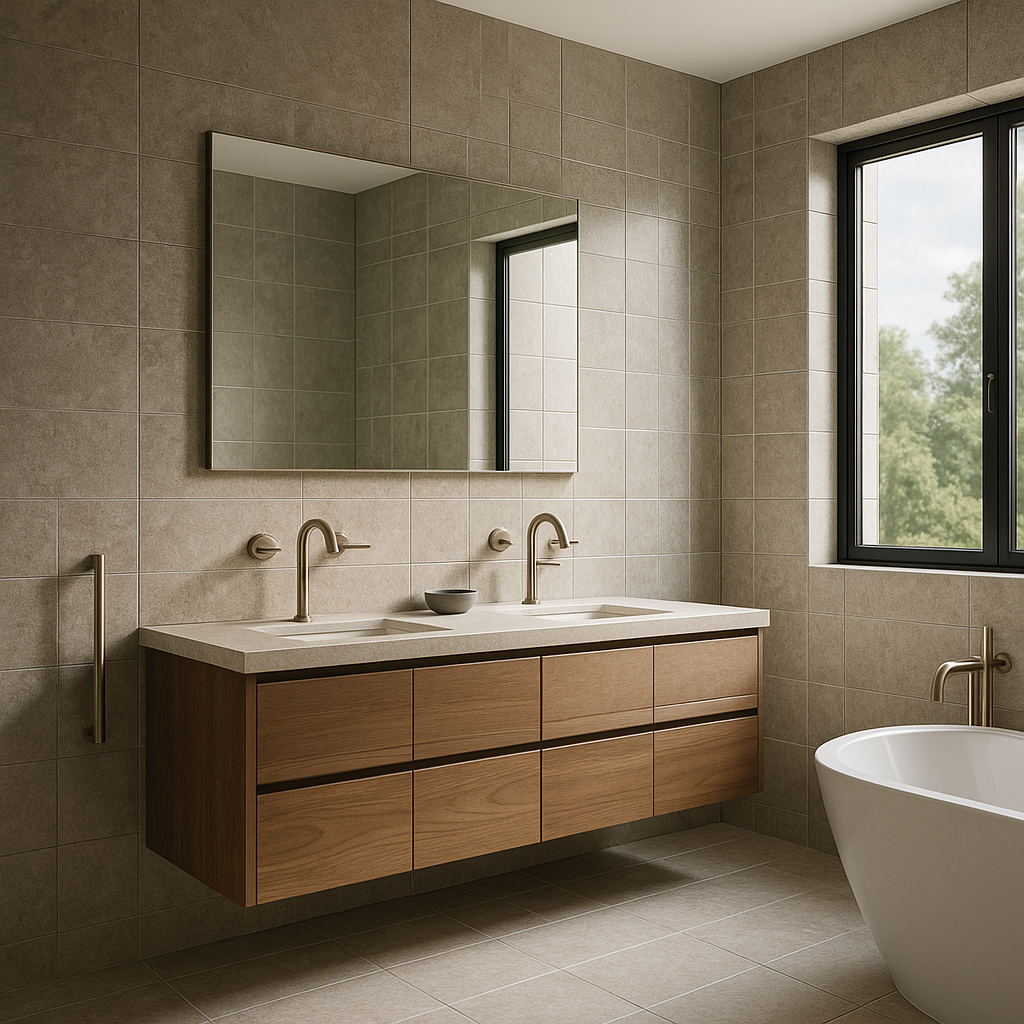

Introduction
When it comes to flooring and wall coverings, homeowners and contractors often face the choice between natural stone and ceramic tile. Both materials offer unique benefits and aesthetic appeal, making them popular options for various applications. In this guide, we will explore the differences, advantages, and considerations for each material, helping you make an informed decision.
Understanding Natural Stone
Natural stone is a product of nature, formed over thousands of years. Common types include granite, marble, limestone, and slate. Each type has its own characteristics, colors, and patterns, making every piece unique.
Understanding Ceramic Tile
Ceramic tile, on the other hand, is man-made from clay and other natural materials. It is fired at high temperatures to create a durable and versatile product. Ceramic tiles come in a wide variety of colors, sizes, and finishes, allowing for extensive design options.
Buying Guide
When choosing between natural stone and ceramic tile, consider the following factors:
- Cost: Natural stone tends to be more expensive than ceramic tile due to its sourcing and processing. However, prices can vary widely based on the type of stone or tile.
- Durability: Natural stone is generally more durable and can withstand heavy foot traffic, while ceramic tile is also strong but may chip or crack under impact.
- Aesthetic Appeal: Natural stone offers a unique, organic look that can enhance the beauty of any space. Ceramic tile provides a broader range of colors and designs.
- Installation: Both materials require professional installation for the best results, but the complexity may vary based on the type of stone or tile.
- Maintenance: Natural stone requires sealing to prevent stains and water damage, while ceramic tile is generally easier to maintain.
Installation Tips
Proper installation is crucial for both natural stone and ceramic tile. Here are some tips to ensure a successful project:
- Prepare the Subfloor: Ensure the subfloor is clean, dry, and level. This is essential for both materials to prevent cracking or shifting.
- Use the Right Adhesive: Choose an adhesive suitable for the material. Natural stone may require a different type than ceramic tile.
- Follow Manufacturer Guidelines: Always adhere to the installation instructions provided by the manufacturer for the best results.
- Leave Expansion Joints: Allow for expansion and contraction by leaving gaps between tiles, especially in larger areas.
- Grouting: Use a grout that complements your tile or stone and is appropriate for the application, whether it’s wet or dry.
Maintenance Tips
Maintaining your flooring or wall coverings will extend their life and keep them looking great. Here are some maintenance tips for both materials:
- Regular Cleaning: Sweep or vacuum regularly to remove dirt and debris. Use a damp mop with a pH-neutral cleaner for deeper cleaning.
- Seal Natural Stone: Seal natural stone surfaces every 1-3 years, depending on usage and exposure to moisture.
- Repair Chips and Cracks: Address any damage immediately to prevent further issues. Use appropriate repair kits for both materials.
- Avoid Harsh Chemicals: Steer clear of abrasive cleaners or acidic substances that can damage both natural stone and ceramic tile.
- Use Mats and Rugs: Place mats at entryways to reduce the amount of dirt tracked onto your floors.
FAQ
1. Which is more expensive: natural stone or ceramic tile?
Natural stone is generally more expensive due to its sourcing and processing, but prices can vary widely.
2. Is natural stone more durable than ceramic tile?
Natural stone is typically more durable and can withstand heavy foot traffic better than ceramic tile.
3. How often should I seal natural stone?
Natural stone should be sealed every 1-3 years, depending on usage and exposure to moisture.
4. Can I install ceramic tile myself?
While DIY installation is possible, professional installation is recommended for the best results.
5. What is the best way to clean ceramic tile?
Use a damp mop with a pH-neutral cleaner for regular cleaning, and avoid harsh chemicals.
Conclusion
Choosing between natural stone and ceramic tile depends on your specific needs, budget, and design preferences. Both materials offer unique benefits and can enhance the beauty and functionality of your space. Explore our wide range of tile and stone options to find the perfect fit for your next project!