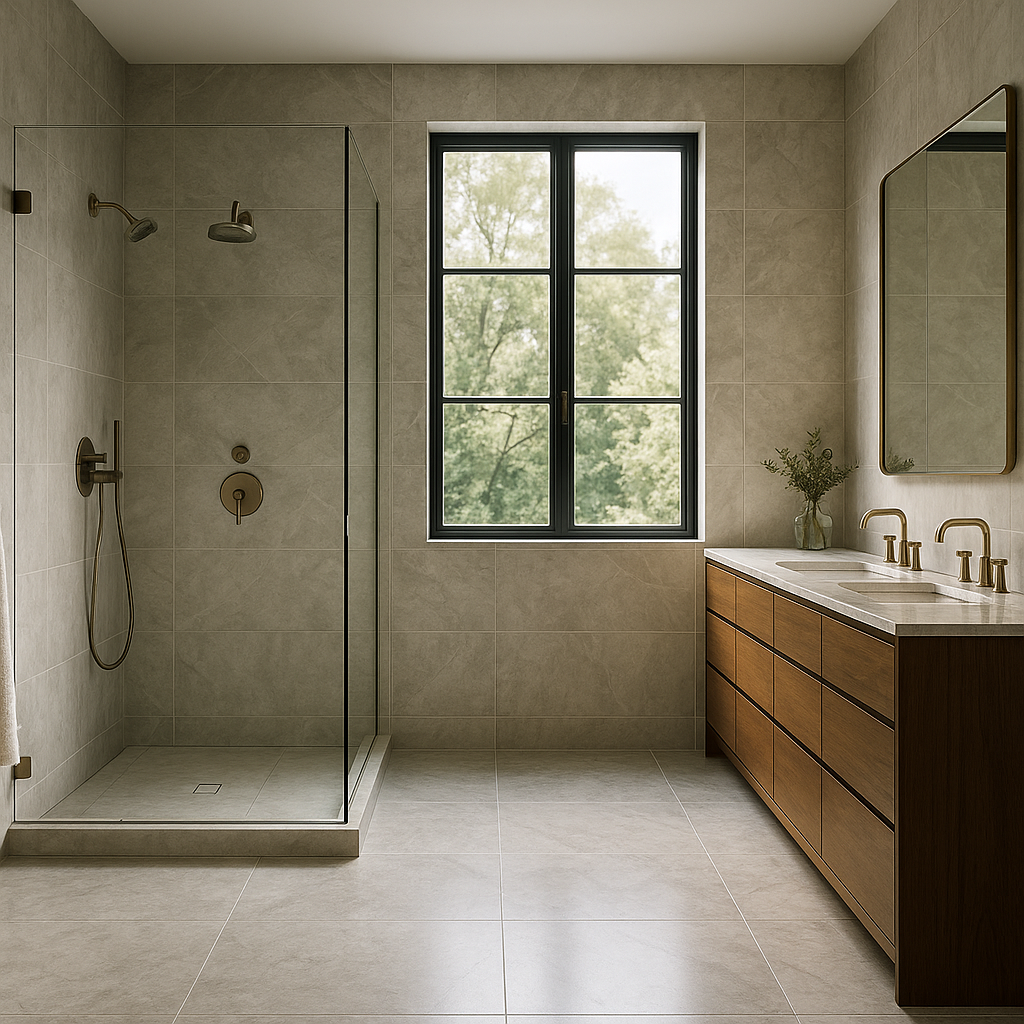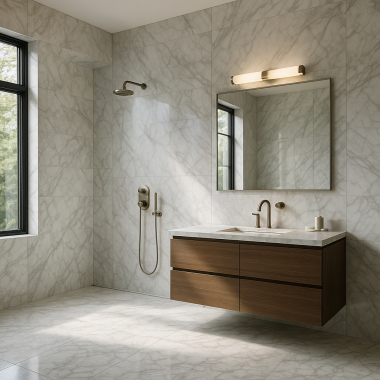

Introduction to Travertine Tile
Travertine tile is a popular choice for homeowners and contractors due to its natural beauty and durability. This guide will walk you through the buying process, installation tips, and maintenance strategies to ensure your travertine tiles last for years.
Buying Guide for Travertine Tile
When purchasing travertine tile, consider the following factors:
- Quality: Look for high-quality tiles that are dense and have minimal voids. Check for consistency in color and texture.
- Finish: Travertine tiles come in various finishes such as honed, polished, and tumbled. Choose a finish that suits your aesthetic and practical needs.
- Size: Travertine tiles are available in different sizes. Larger tiles can create a more seamless look, while smaller tiles can add intricate designs.
- Thickness: Standard thickness ranges from 1/2 inch to 3/4 inch. Thicker tiles are generally more durable but may require more effort during installation.
- Source: Ensure you buy from reputable suppliers to guarantee the authenticity and quality of the travertine.
Installation Tips for Travertine Tile
Proper installation is crucial for the longevity of your travertine tiles. Follow these steps for a successful installation:
- Preparation: Ensure the subfloor is clean, dry, and level. Any imperfections can affect the tile’s appearance and durability.
- Layout: Plan your layout before starting. Use chalk lines to mark where the tiles will go, ensuring a straight and even installation.
- Adhesive: Use a high-quality thin-set mortar suitable for natural stone. Apply it evenly with a notched trowel to ensure proper adhesion.
- Tile Placement: Begin laying tiles from the center of the room and work your way out. Press each tile firmly into the mortar, using spacers to maintain even grout lines.
- Grouting: Once the tiles are set, allow the mortar to cure for at least 24 hours before grouting. Choose a grout that complements the color of your tiles.
- Sealing: After grouting, seal the tiles with a penetrating sealer to protect against stains and moisture. Reapply the sealer every 1-3 years, depending on usage.
Maintenance Tips for Travertine Tile
Maintaining your travertine tiles is essential for preserving their beauty and durability. Here are some maintenance tips:
- Regular Cleaning: Sweep or vacuum regularly to remove dirt and debris. Use a damp mop with a pH-neutral cleaner specifically designed for natural stone.
- Stain Removal: For stains, use a soft cloth and a mild cleaning solution. Avoid acidic cleaners as they can damage the stone.
- Preventive Measures: Use mats in high-traffic areas and coasters under heavy objects to prevent scratches and damage.
- Periodic Sealing: As mentioned, reseal your tiles every 1-3 years to maintain their protective barrier against stains and moisture.
- Professional Help: Consider hiring a professional for deep cleaning and restoration if your tiles become heavily stained or damaged.
FAQ Section
- Q: Can travertine tile be used outdoors?
A: Yes, travertine is suitable for outdoor use, but ensure it is properly sealed to withstand weather conditions. - Q: How do I choose the right grout color?
A: Choose a grout color that complements your tile. Lighter colors can make spaces feel larger, while darker colors can add contrast. - Q: Is travertine tile slippery?
A: Polished travertine can be slippery when wet. Consider using honed or tumbled finishes for better traction. - Q: How long does travertine tile last?
A: With proper care and maintenance, travertine tiles can last for decades. - Q: Can I install travertine tile myself?
A: Yes, DIY installation is possible if you have the right tools and follow proper techniques, but hiring a professional is recommended for best results.
Conclusion
Installing travertine tile can enhance the beauty and value of your home. By following this guide, you can ensure a successful installation and long-lasting results. For more options, browse our extensive selection of tile and stone products.