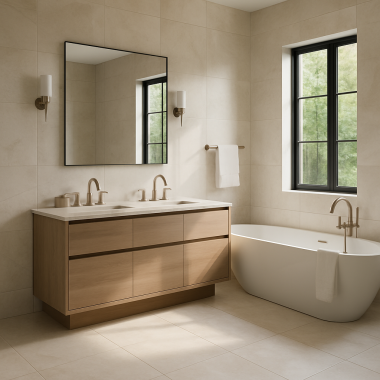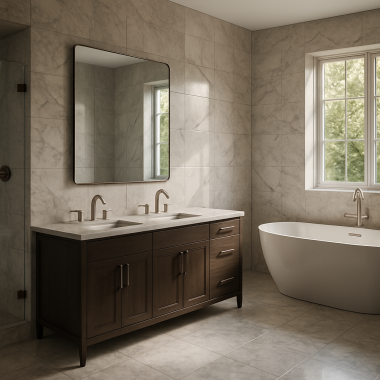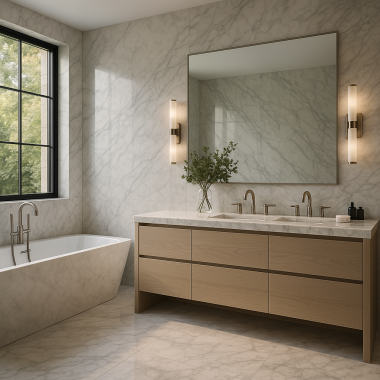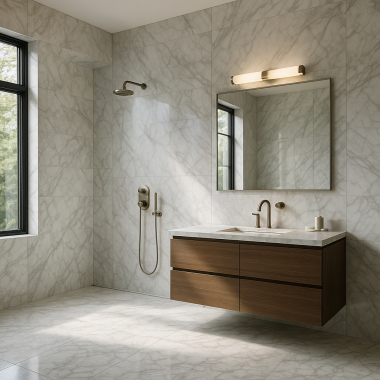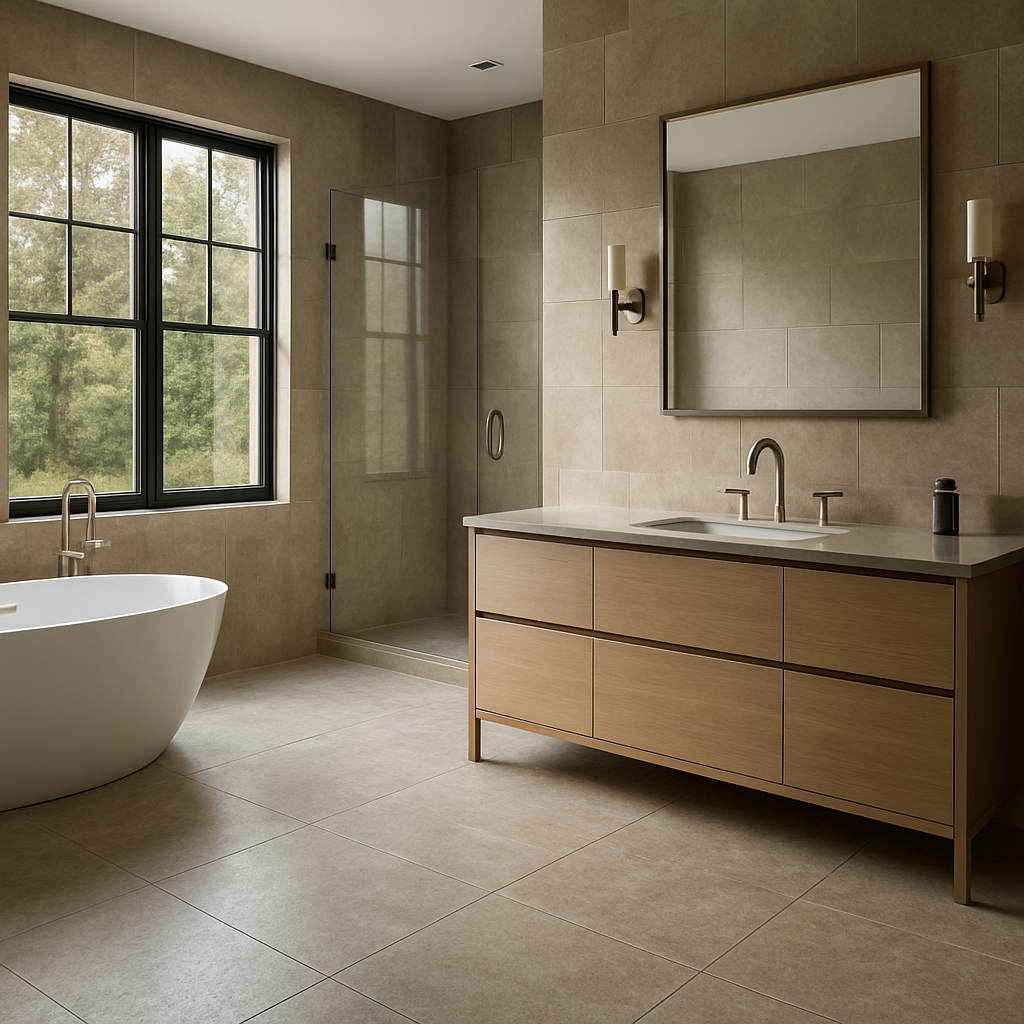

Understanding Anti-Slip Tiles
When it comes to flooring, safety is paramount, especially in areas prone to moisture like bathrooms, kitchens, and outdoor spaces. Anti-slip tiles are designed to provide better grip and reduce the risk of slips and falls. They come in various materials, textures, and styles, making them a versatile choice for homeowners and contractors alike.
Buying Guide for Anti-Slip Tiles
Choosing the right anti-slip tiles involves considering several factors:
- Material: Common materials include ceramic, porcelain, and natural stone. Each has its own slip resistance properties.
- Texture: Look for tiles with a textured surface, as they provide better grip. The Coefficient of Friction (COF) rating can help determine slip resistance.
- Style: Anti-slip tiles come in various designs. Ensure that the style complements your overall decor.
- Location: Consider where the tiles will be installed. For wet areas, choose tiles specifically rated for high slip resistance.
- Budget: Prices can vary widely. Set a budget that allows for quality without compromising safety.
Installation Tips for Anti-Slip Tiles
Proper installation is crucial for maximizing the benefits of anti-slip tiles. Here are some tips:
- Surface Preparation: Ensure the subfloor is clean, dry, and level. Any imperfections can affect the tile’s performance.
- Adhesive Selection: Use a high-quality adhesive suitable for the tile material and the environment. For wet areas, consider a waterproof adhesive.
- Grout Choice: Choose a grout that is resistant to moisture and stains. Epoxy grout is a good option for wet areas.
- Sealing: Some natural stone tiles require sealing to maintain their slip resistance and prevent staining. Follow manufacturer recommendations.
- Professional Help: If you’re unsure about installation, hiring a professional can ensure the job is done correctly.
Maintenance Tips for Anti-Slip Tiles
Maintaining your anti-slip tiles is essential for their longevity and effectiveness. Here are some maintenance tips:
- Regular Cleaning: Sweep or vacuum regularly to remove dirt and debris that can create slippery conditions.
- Mopping: Use a damp mop with a mild detergent. Avoid harsh chemicals that can damage the tile surface.
- Address Spills Immediately: Clean up spills promptly to prevent slips and falls.
- Inspect for Damage: Regularly check for cracks or loose tiles. Address any issues immediately to maintain safety.
- Reapply Sealant: For natural stone tiles, reapply sealant as recommended to protect against moisture and stains.
Frequently Asked Questions
1. What is the best material for anti-slip tiles?
Ceramic and porcelain are popular choices due to their durability and slip resistance.
2. How do I determine the slip resistance of a tile?
Check the Coefficient of Friction (COF) rating; a COF of 0.60 or higher is generally considered safe for wet areas.
3. Can I use anti-slip tiles outdoors?
Yes, many anti-slip tiles are designed for outdoor use, but ensure they are rated for exterior conditions.
4. How often should I seal my natural stone tiles?
It depends on usage, but generally, sealing every 1-3 years is recommended.
5. Are anti-slip tiles more expensive than regular tiles?
They can be slightly more expensive, but the added safety benefits often justify the cost.
Conclusion
Choosing the right anti-slip tile solutions can significantly enhance the safety and aesthetics of your home. Whether you’re a homeowner or a contractor, understanding the buying, installation, and maintenance aspects will help you make informed decisions. Explore our wide range of tile and stone options to find the perfect fit for your project.