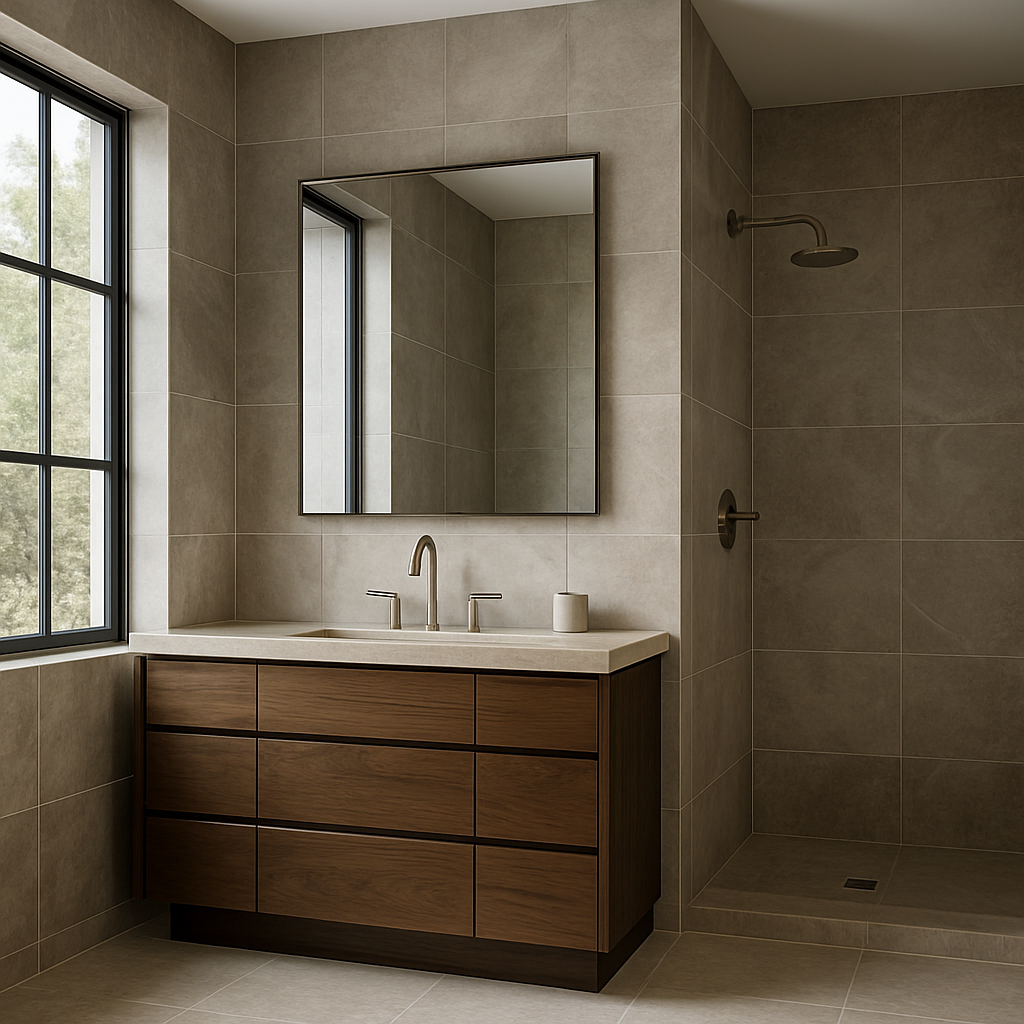

Understanding Bathroom Tile Waterproofing
Waterproofing your bathroom tiles is essential for preventing moisture damage and mold growth. Whether you’re a homeowner or a contractor, knowing how to properly waterproof your tiles can save you time and money in the long run.
Buying Guide for Waterproof Bathroom Tiles
When selecting tiles for your bathroom, consider the following:
- Material: Porcelain and ceramic tiles are popular choices due to their water-resistant properties. Natural stone tiles, like granite or marble, may require additional sealing.
- Size: Larger tiles can reduce grout lines, which minimizes the risk of water penetration. However, smaller tiles can provide better slip resistance.
- Finish: A textured finish can enhance grip, making it safer in wet conditions. Glossy finishes, while aesthetically pleasing, may be slippery.
- Water Absorption Rate: Look for tiles with a low water absorption rate (less than 0.5%) for optimal waterproofing.
Installation Tips for Waterproofing
Proper installation is crucial for effective waterproofing. Follow these tips:
- Prepare the Surface: Ensure the substrate is clean, dry, and free of any debris. A smooth surface promotes better adhesion.
- Use a Waterproof Membrane: Apply a waterproof membrane over the substrate before tiling. This can be a liquid membrane or a sheet membrane, depending on your preference.
- Seal Grout Joints: Use a high-quality grout that is specifically designed for wet areas. After the grout has cured, apply a grout sealer to further protect against moisture.
- Pay Attention to Corners and Edges: Use caulk in corners and along edges instead of grout, as caulk is more flexible and better at preventing water infiltration.
Maintenance Tips for Waterproof Bathroom Tiles
To keep your bathroom tiles waterproof, regular maintenance is key:
- Regular Cleaning: Use a mild, pH-balanced cleaner to avoid damaging the tiles and grout. Avoid harsh chemicals that can break down sealants.
- Inspect for Damage: Regularly check for cracks or chips in the tiles and grout. Address any issues promptly to prevent water intrusion.
- Reapply Sealant: Depending on the type of grout and sealant used, you may need to reapply every 1-3 years. Check manufacturer recommendations for specific timelines.
- Ventilation: Ensure your bathroom is well-ventilated to reduce humidity levels, which can lead to mold growth.
Frequently Asked Questions
1. Do I need to waterproof my bathroom tiles?
Yes, waterproofing is essential to prevent moisture damage and mold growth.
2. Can I use regular grout in wet areas?
No, it’s best to use grout specifically designed for wet areas for better moisture resistance.
3. How often should I seal my grout?
Reapply sealant every 1-3 years, depending on the type of grout and sealant used.
4. What type of tiles are best for waterproofing?
Porcelain and ceramic tiles are ideal due to their low water absorption rates.
5. How can I tell if my waterproofing is effective?
Check for signs of mold, mildew, or water damage. If present, your waterproofing may need to be redone.
Conclusion
Waterproofing your bathroom tiles is a crucial step in maintaining a healthy and durable space. By following the buying, installation, and maintenance tips outlined in this guide, you can ensure your bathroom remains safe from moisture damage. Explore our wide range of tile and stone options to find the perfect fit for your project!